


Votre tout nouveau tricycle électrique est équipé d'un moteur puissant, mais la batterie s'épuise au milieu de votre journée de travail. Vous êtes désormais bloqué, perdant du temps et de l’argent parce que le système électrique est complètement déséquilibré.
Pour obtenir les meilleures performances, vous devez faire correspondre la puissance du moteur (W) avec la tension (V) et la capacité (Ah) de la batterie. Cela garantit que le tricycle a la force nécessaire pour son travail et l'énergie nécessaire pour durer, évitant ainsi une mauvaise autonomie et des dommages aux composants.
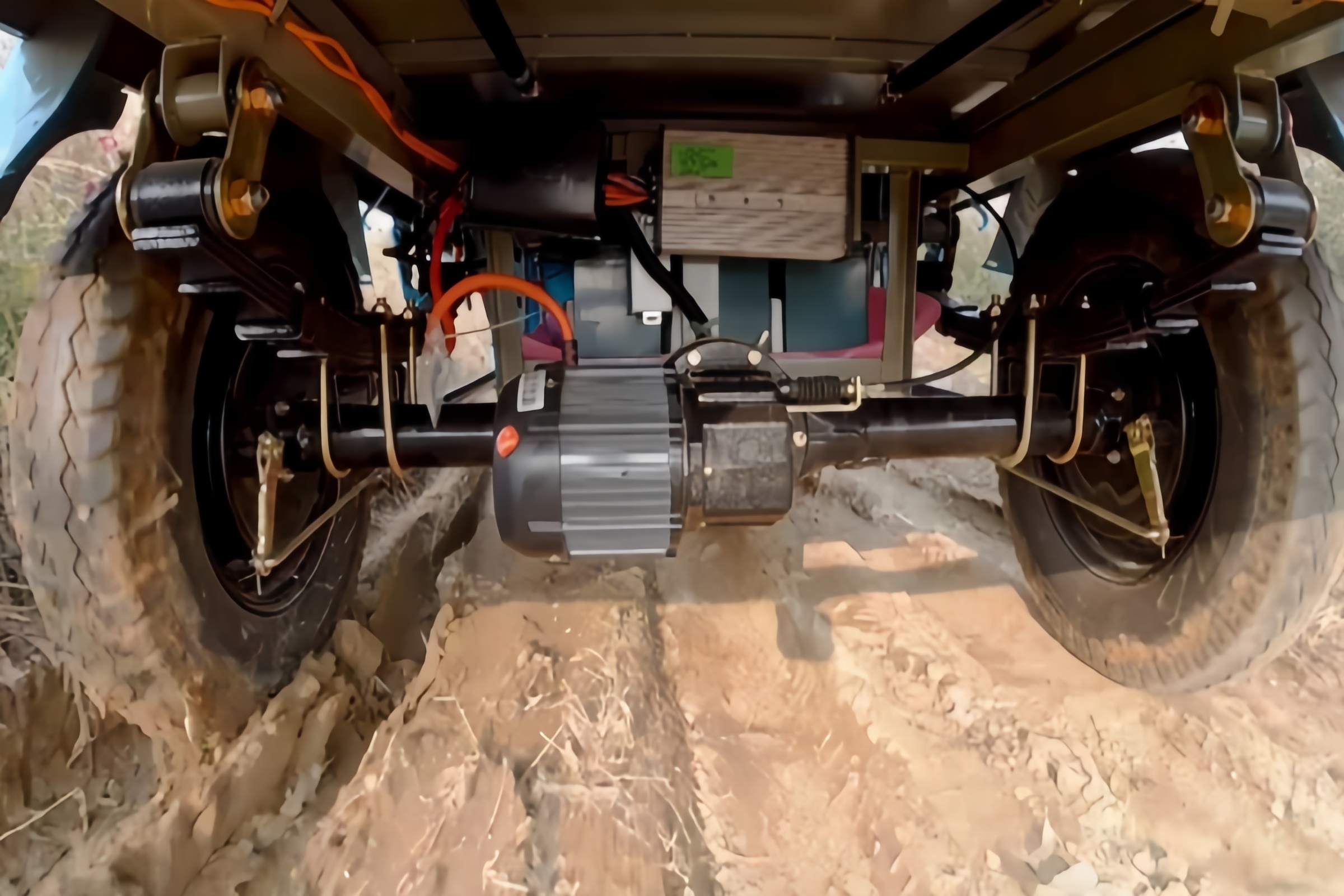
En tant que usine, nous voyons souvent ce problème. Un importateur veut le plus gros moteur mais l’associe à une petite batterie bon marché pour économiser de l’argent. Cela ne fonctionne jamais. Le moteur et la batterie forment une équipe. Ils doivent être équilibrés pour offrir les performances dont vous avez besoin, que vous transportiez des passagers, des marchandises ou que vous utilisiez un chariot de nourriture. Voyons comment réussir ce jumelage.
Pourquoi le moteur et la batterie doivent-ils être adaptés dans les tricycles électriques ?
Votre nouveau moteur puissant semble lent et la batterie devient inhabituellement chaude. Le système inadapté est inefficace, vous coûte cher en performances et vous mènera probablement à un échec précoce.
An unmatched system creates a bottleneck. A weak battery can't supply enough current to a powerful motor, leading to poor performance and overheating. A large battery paired with a weak motor is just wasted weight and money.
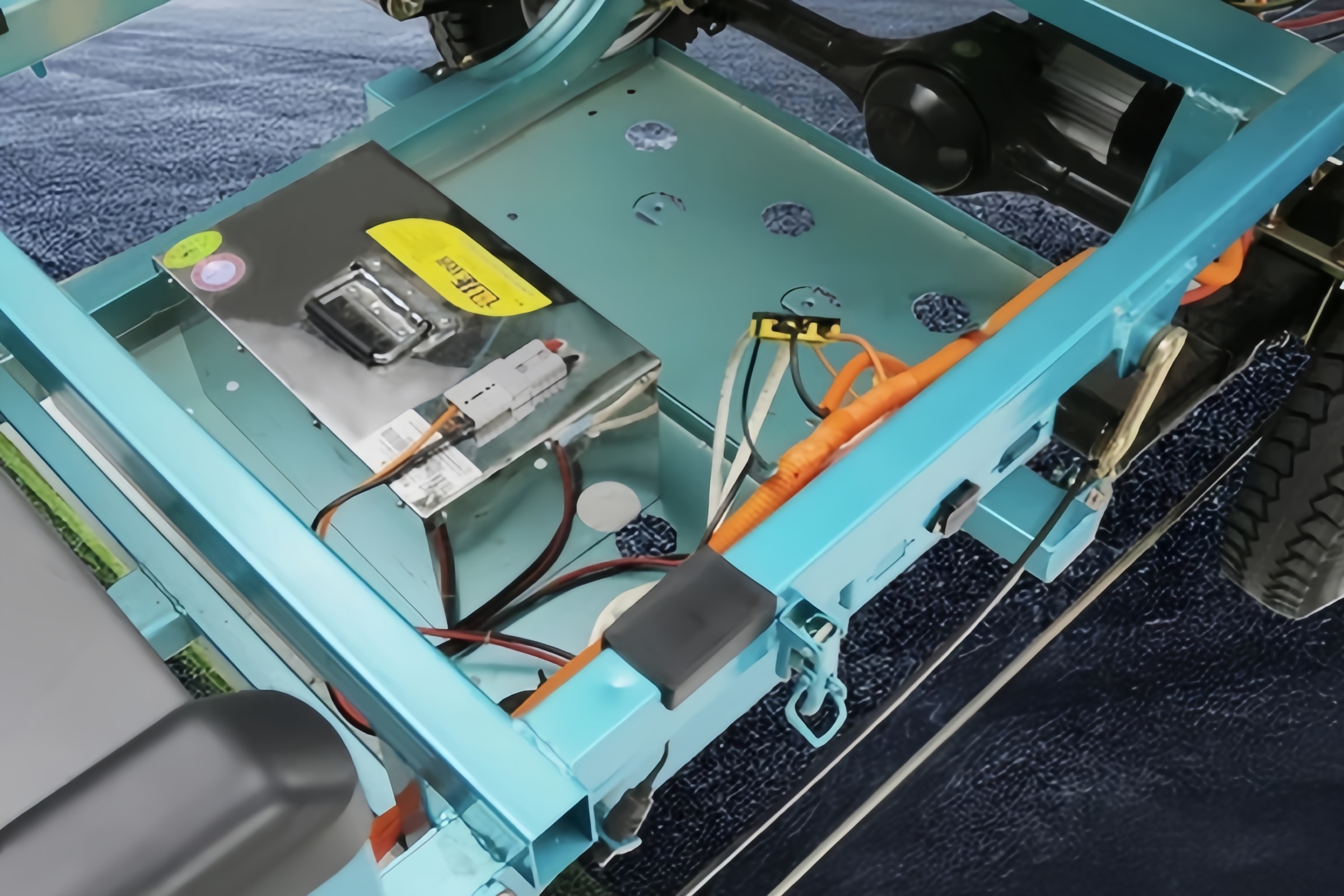
Think of it like a water pipe. The battery is your water tank, and the motor is the faucet. If you have a huge faucet (a powerful motor) mais un tout petit tuyau (une batterie faible), vous n'aurez qu'un filet d'eau. La batterie ne peut tout simplement pas fournir l’énergie assez rapidement, ce qui la met à rude épreuve et réduit sa durée de vie. Le contrôleur est le cerveau au milieu, qui gère ce flux d’énergie. Si les composants ne sont pas conçus pour fonctionner ensemble, le contrôleur limitera la puissance pour protéger la batterie, de sorte que vous n'obtiendrez jamais les performances pour lesquelles vous avez payé. Un système correctement adapté garantit que le moteur peut tirer l’énergie dont il a besoin, que le contrôleur peut la gérer en toute sécurité et que la batterie peut la fournir sans être endommagée. Cela vous offre une puissance efficace, une autonomie fiable et une durée de vie plus longue pour votre investissement.
Quelles tailles de moteur sont couramment utilisées dans les différents tricycles électriques ?
You don't know if your business needs an 800W or a 3000W motor. Choosing wrong means you either overpay for power you don't need or buy a tricycle that's too weak for the job.
Motor size depends entirely on the tricycle's job. Light passenger scooters use 500W-1000W motors, most cargo models use 1000W-1500W, and heavy-duty agriculture, taxi, or specialized tricycles require powerful 2000W to 4000W motors.
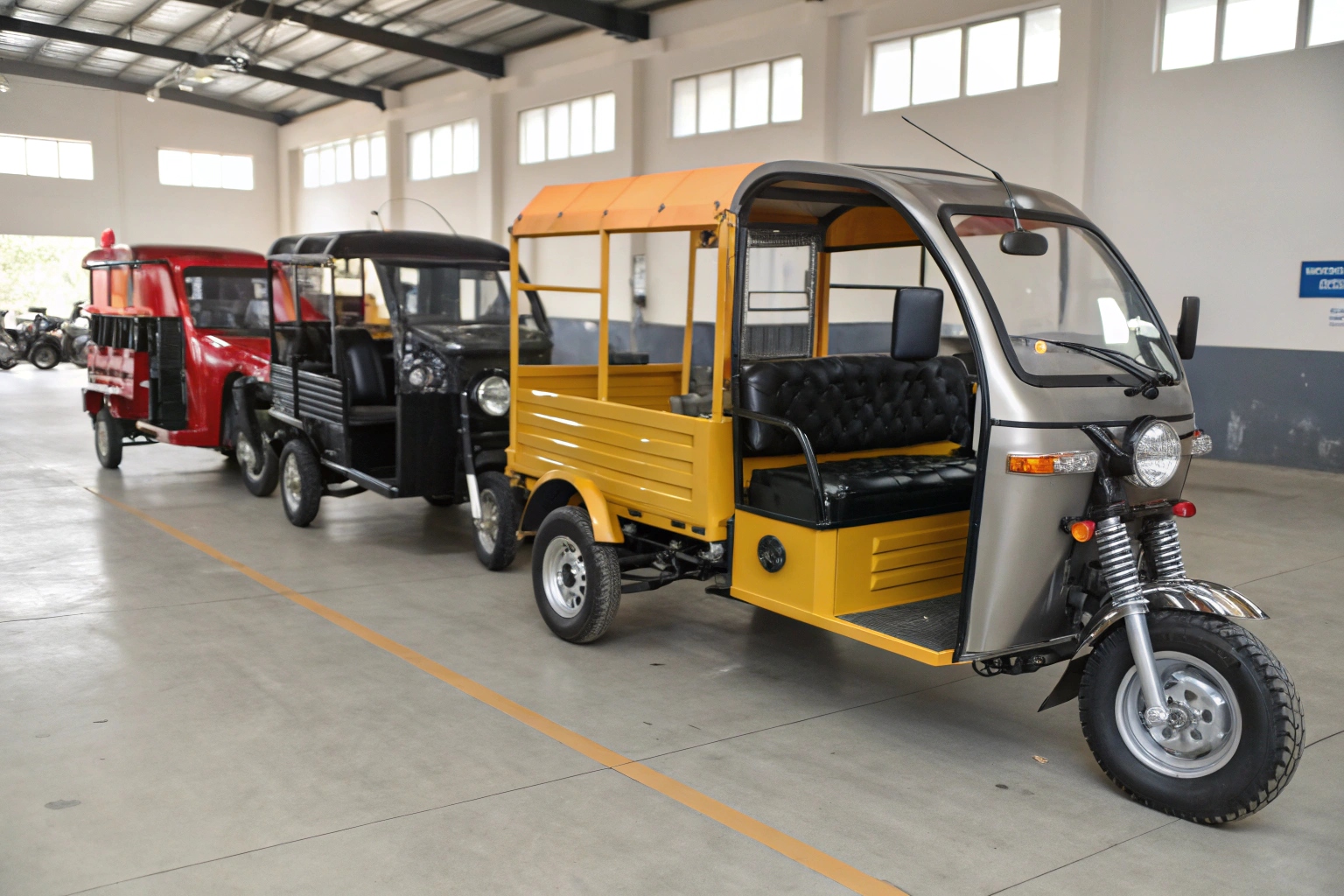
At our factory, we configure powertrains every day based on how our clients will use their vehicles. You don't use a sledgehammer to tap in a small nail. The same logic applies here. A small motor is more efficient for light tasks, while a big motor provides the raw torque needed for heavy loads and steep hills. I always ask my partners to describe their daily work, and from there, we can recommend the perfect motor size. Based on thousands of orders, here are the most common configurations that we know work in the real world.
| Type de véhicule | Typical Use & Load | Recommended Motor Power (W) |
|---|---|---|
| Passenger Tricycle Scooter | 1-2 passengers | 500W - 1000W |
| Electric Cargo Tuk-Tuk | Up to 800 kg cargo | 1000W - 1500W |
| Tricycle Van / Food Cart | Local delivery, mobile vending | 1000W - 1200W |
| Tricycle à ordures | 2-6 bins, some with lifts | 1000W - 4000W |
| Tricycle agricole | 1 ton+ heavy loads | 2000W - 2500W |
| Electric Tuk-Tuk Taxi | Passenger transport, city use | 3000W - 4000W |
Which Battery Specifications Best Fit Each Electric Tricycle Motor?
You have the right motor, but your tricycle's range is terrible. You chose a batterie with the wrong voltage or not enough capacity, so you can't complete your daily route on a single charge.
The best battery has the correct system voltage (e.g., 60V or 72V) and enough capacity (Ah) to power your motor for your desired range. A 1200W motor might need a 60V 60Ah battery for a 55km range, while a 3000W motor needs a 72V 150Ah battery for 160km.
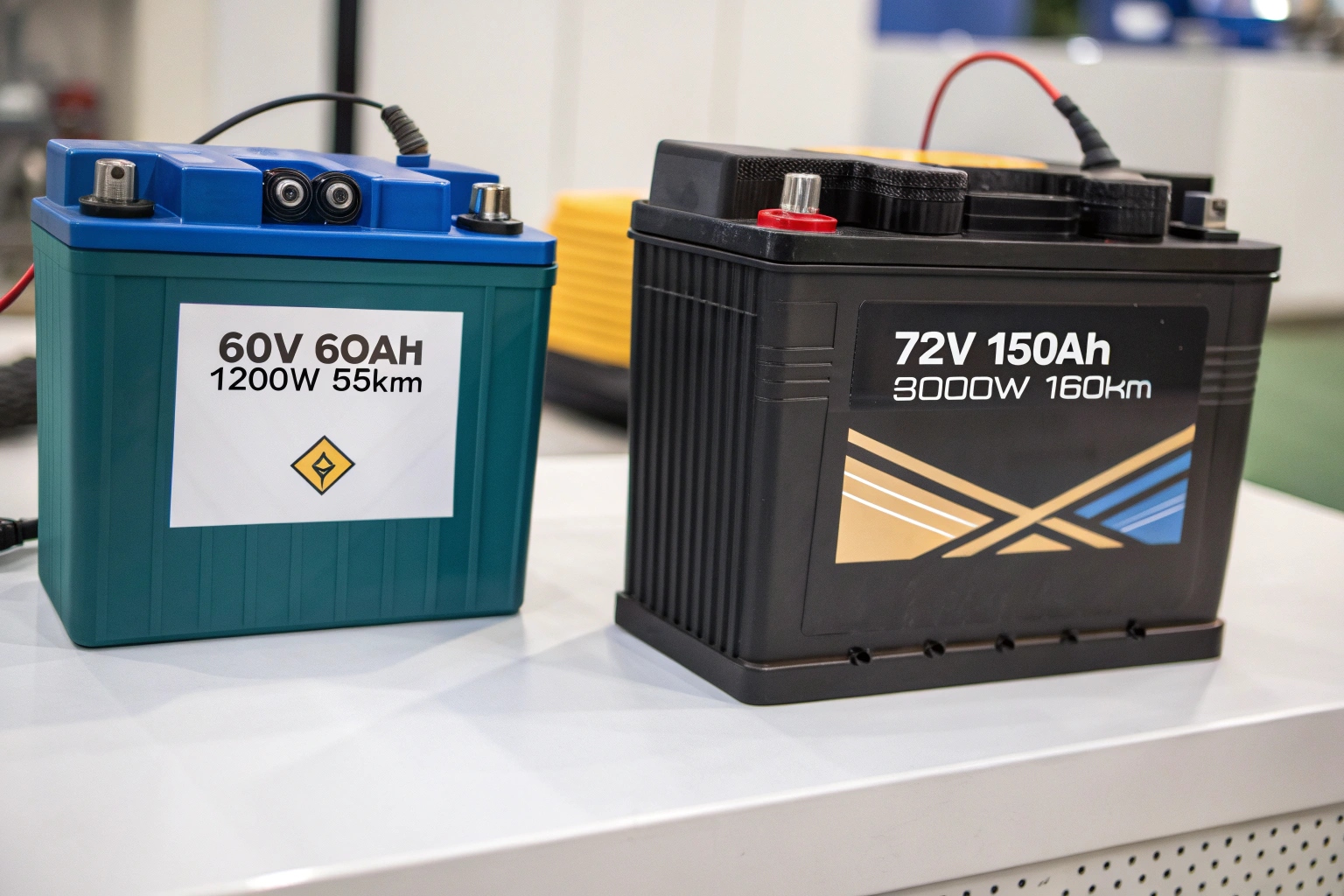
After you have chosen your motor, it's time to select its partner: the battery. Voltage (V) must match the motor and controller system. Capacity, measured in Amp-hours (Ah), determines your range. More Ah means more range. It's that simple. Powerful motors draw more current, so they need higher-capacity batteries to achieve a good range. Below is the standard list of lithium battery options we offer at our factory. It shows how we match battery specifications to motor power to get a reliable reference range. The range is a guide for normal conditions; heavy loads or steep hills will reduce it.
| Battery Specification (V/Ah) | Suitable Motor Power (W) | Reference Range (km) |
|---|---|---|
| 48V 35A | ≤800W | ~30 km |
| 48V 60A | ≤1000W | ~45 km |
| 60V 35A | ≤1000W | ~35 km |
| 60V 60A | ≤1200W | ~55 km |
| 60V 80A | ≤1500W | ~90km |
| 60V 100A | ≤2000W | ~110km |
| 60V 150A | ≤3000W | ~145km |
| 60V 200A | ≤3000W | ~185km |
| 60V 300A | ≤4000W | ~270km |
| 72V 35A | ≤1000W | ~40km |
| 72V 60A | ≤1200W | ~60km |
| 72V 80A | ≤1500W | ~95km |
| 72V 100A | ≤2000W | ~120km |
| 72V 150A | ≤3000W | ~160km |
| 72V 200A | ≤3000W | ~190km |
| 72V 300A | ≤4000W | ~290km |
Comment les acheteurs peuvent-ils sélectionner la configuration moteur-batterie adaptée à leur entreprise ?
Vous comprenez les détails techniques, mais vous ne savez toujours pas quoi commander. Vous craignez de commettre une erreur coûteuse lors de votre première grosse expédition de tricycles électriques.
Tout d’abord, définissez vos besoins quotidiens : la charge maximale que vous transporterez et la distance totale que vous parcourrez. Discutez ensuite de ces besoins avec votre fournisseur d’usine pour choisir une combinaison de moteur et de batterie pré-testée et équilibrée qui convient à votre entreprise.
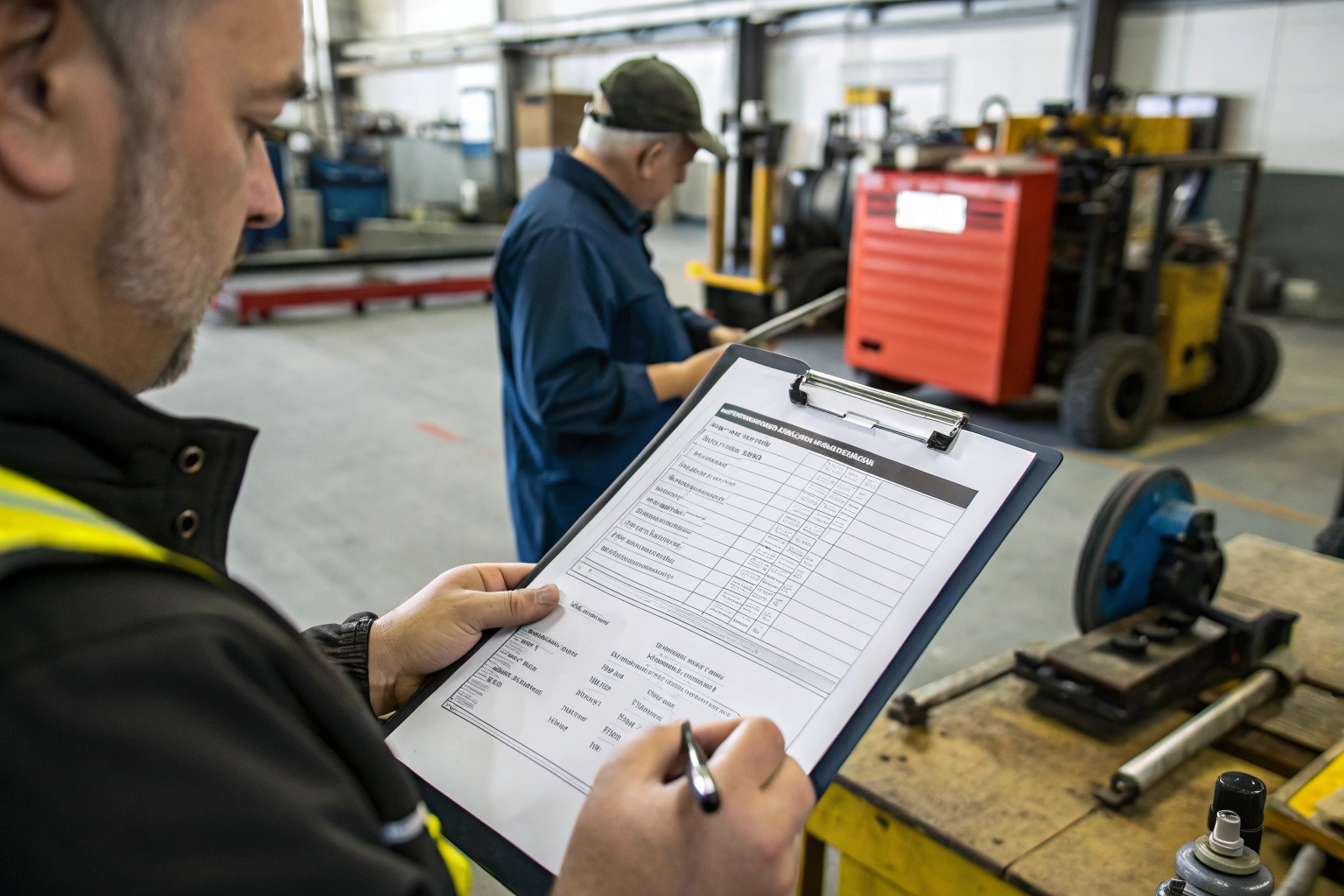
The best way to choose is to stop thinking about abstract watts and amp-hours. Instead, think about your real-world job. When a new B2B client contacts me, I don't start with a list of motors. I start with simple questions that get to the heart of what they really need to succeed in their market.
- What is your primary use case? Are you delivering packages tricycle van, transporting people electric tuk tuk taxi, or hauling crops agriculture tricycle? The job defines the vehicle type.
- What is the heaviest load you carry regularly? Be realistic. This will determine the motor power needed. An 800kg load needs a 1500W motor, period.
- How many kilometers do you drive in a single day? This is the most important question for choosing the battery. Always add about 20% extra to your daily distance to account for heavy loads, hills, and battery aging.
- Describe your terrain. Is it flat city streets or steep rural hills? Hills require more torque, which might mean a more powerful motor or a special controller and axle setup.
Once we have these answers, selecting the right setup from our list is easy. We have tested these combinations for years and know they work.
Conclusion
Matching your motor and battery is crucial for performance. Define your load and range needs first, then select a balanced powertrain to ensure your electric tricycle is a reliable tool for your business.
