


Buying electric tricycles without checking local roads causes broken suspensions and stranded drivers. Сіз күн сайын ақша жоғалтасыз. You must match the vehicle configuration strictly to your city streets.
Жол жағдайлары көліктің өнімділігіне, жолаушылардың жайлылығына және күнделікті техникалық қызмет көрсету шығындарына тікелей әсер етеді. Сіз қалалық асфальтты, ауылдық жерді, тік тауларды және жергілікті ауа-райын бағалауыңыз керек. Жоғары қуатты қозғалтқышты және литий батареясын дұрыс таңдау электрлік кеке паркінің максималды жұмыс тиімділігін қамтамасыз етеді.
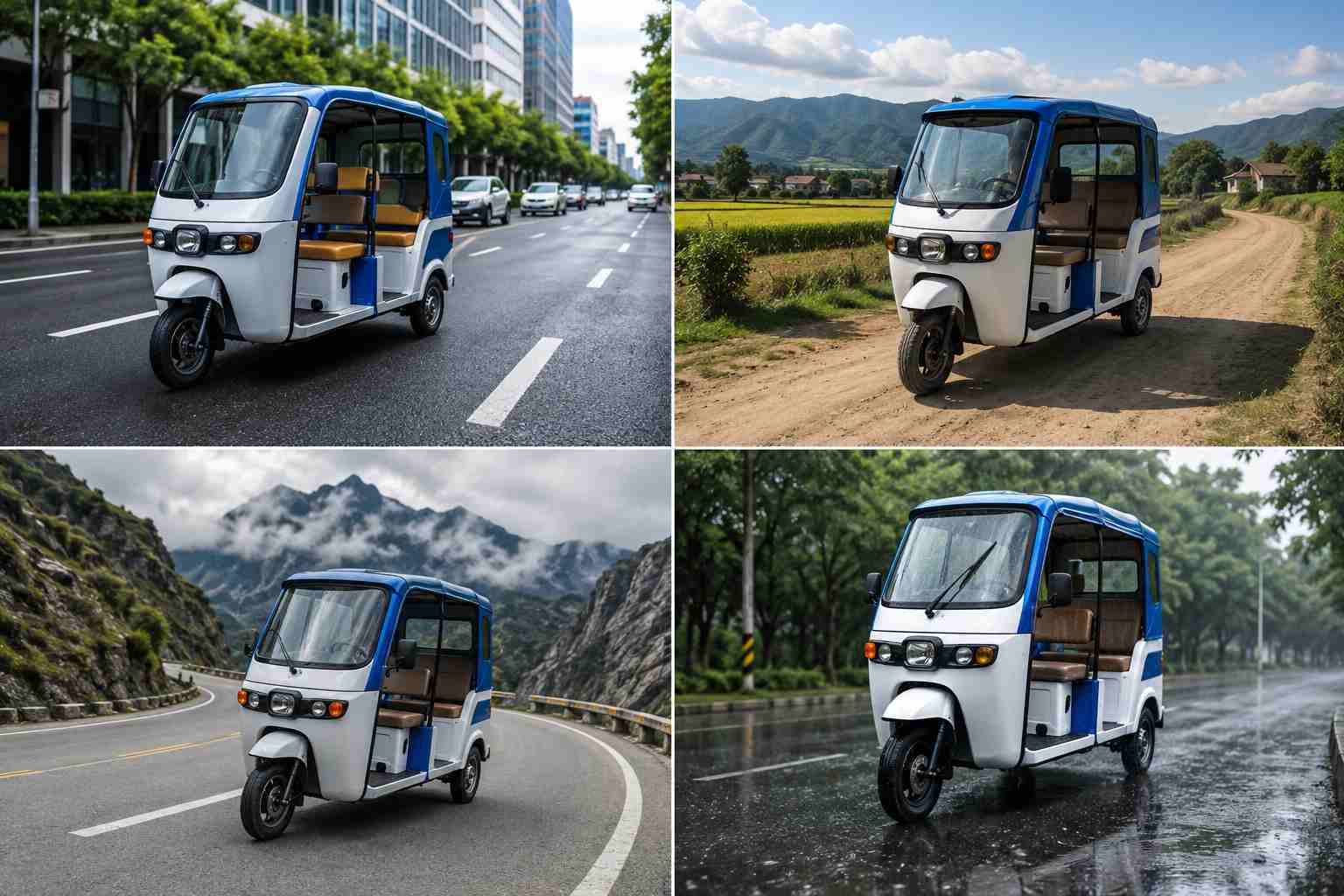
Қарапайым қалалық үш велосипедті ауылдағы қара жолға қою мүмкін емес, себебі шасси бірден үзіліп қалады. Сіз ашулы клиенттерге және қымбат жөндеуге тап боласыз. Ақша табуды жалғастыру үшін электр жолаушы кекесін он түрлі жұмыс ортасына қалай конфигурациялау керектігін нақты қарастырайық.
1. Қалалық асфальтталған жолдар: Қала қозғалысына қандай конфигурация сәйкес келеді?
Тоқтап-кететін қала қозғалысы әлсіз тежегіштерді тез күйдіреді. Сіздің жүргізушілеріңіз тұрақты жөндеуден күнделікті табысынан айырылады. Тегіс, бірақ толып жатқан асфальт көшелер үшін теңдестірілген орнату қажет.
Қалалық жолдар қажет Электрлік велосипедтер 1500Вт-тен 2000Вт-қа дейінгі қозғалтқышпен және 60V100Ah литий батареясымен. Бұл орнату энергияны ысырап етпестен трафиктің жеткілікті жылдамдығын қамтамасыз етеді. Стандартты аспа және ықшам бұрылу радиусы жүргізушілерге тар жолақтарда оңай жүруге көмектеседі.
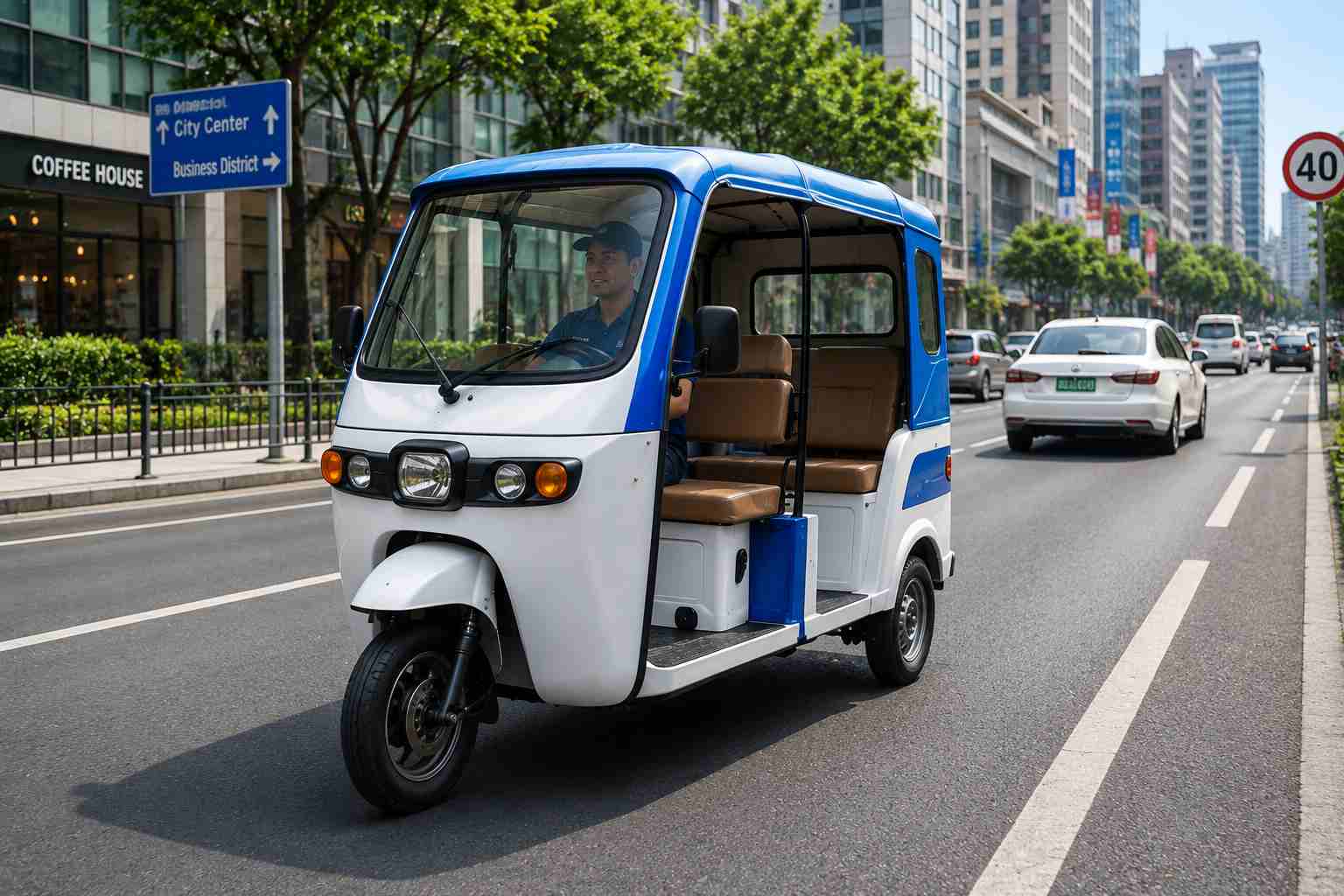
Қала жолдарында тегіс бетон немесе асфальт бар. Сіз күн сайын бағдаршамдар мен жиі тоқтаулармен айналысасыз. Қалаларда жұмыс істейтін электрлік жолаушылар трициклдері жолаушылар жайлылығы мен күнделікті пайдалану шығындарының аздығына басымдық береді. Мұнда үлкен жол талғамайтын шиналар қажет емес. Үйкелісті азайту және батарея қуатын үнемдеу үшін сізге тегіс жол шиналары қажет.
I always advise buyers to select a 1500W or 2000W motor for urban fleets. This is the baseline power for any reliable electric keke. Ол жасыл шамдарда жылдам үдетуді қамтамасыз етеді. A 60V100Ah lithium battery holds enough power for a full day of city driving. You do not need a massive 5000W motor for flat city streets. Oversized motors waste money on the purchase price and consume too much electricity. We configure city models with smaller turning radiuses so drivers can change lanes instantly.
Қаланың негізгі ерекшеліктері
Біз тиімділікке баса назар аударамыз. A balanced motor and standard suspension maximize daily profit.
| Қалалық жолдың ерекшелігі | Ұсынылған Keke конфигурациясы | Бизнес пайдасы |
|---|---|---|
| Тегіс асфальт | Стандартты жол шиналары | Айналуға төзімділігі төмен батареяны үнемдейді |
| Тоқтау және кету қозғалысы | Сенімді дискілі тежегіштер | Адамдар көп жиналатын жерлерде қауіпсіз аялдамалар |
| Тар қалалық жолақтар | Шағын бұрылу радиусы | Қозғалыстағы жақсы маневрлік |
| Жазық жер | 1500Вт-2000Вт қозғалтқыш | Төмен бастапқы құны және жоғары тиімділік |
2. Ауылдық және қара жолдар: тегіс емес беттерді қалай өңдеу керек?
Deep potholes and seasonal mud destroy standard tricycles in weeks. Сіздің флотыңыз қозғалуды тоқтатады және ештеңе таппайды. You must upgrade your chassis for rough unpaved routes.
Ауылдағы қара жолдар талап етеді 3000 Вт қозғалтқыш, жоғары клиренс және күшейтілген болат шасси. Сізге ауыр жүкті суспензия және үлкен, терең шиналар қажет. Бұл үлкен соққыларды сіңіреді және электрлік кекенің терең балшыққа кептелуіне жол бермейді.
Біздің көптеген клиенттеріміз толығымен асфальтталмаған ауылдық бағыттар бойынша жұмыс істейді. Ауылдық жолдарда тегіс емес жабындар, өткір қиыршық тас, терең топырақ, маусымдық лай бар. Күшейтілген жолаушы үш велосипедін таңдау осы қатыгез ортада техникалық қызмет көрсету шығындарын айтарлықтай азайтады.
Сіз жоғарырақ жер клиренсін көрсетуіңіз керек. Литий батареясының қорабы тым төмен отырса, өткір тастар оны жарып жібереді. Біз арматураланған болат шассимен ауылдық модельдерді саламыз. Қара жолдың тұрақты дірілінен стандартты жақтау тез жарылып кетеді. Қалың кірден өту үшін сізге 3000 Вт қозғалтқыш қажет. Ұзақ өрескел қашықтықта қуатты сақтау үшін оны 60V120Ah немесе 60V150Ah литий батареясымен жұптаймыз.
Ауыр жүкті жаңартулар
Сондай-ақ сізге күшті артқы ось және ауыр жапырақты серіппелер қажет. Стандартты соққылар ағып, сәтсіздікке ұшырайды. Жол талғамайтын терең протектор үлгілері бар үлкенірек шиналар бос кірді сенімді түрде ұстайды.
| Ауылдық жол сайысы | Қажетті конфигурация | Зауыттық шешім |
|---|---|---|
| Терең шұңқырлар | Жоғары жерді тазарту | Батарея қорапшасының орнын көтеріңіз |
| Өткір қиыршық тас | Жол талғамайтын ауыр шиналар | Терең протекторлы шиналар тесілуге төзімді |
| Тұрақты діріл | Арматураланған болат шасси | Қалың болат негізгі жақтау құбырлары |
| Кірге түсетін ауыр жүктер | 3000 Вт қозғалтқыш + күшті ось | Тоқтамай лайдан итереді |
3. Таулы және таулы жолдар: Сізге қандай қуат жүйесі қажет?
Әлсіз мотор тік төбелерде әп-сәтте жанып кетеді. Артқа қарай қозғалатын көліктер өлімге әкелетін апаттарға әкеледі. Толық жолаушылар жүктерімен тау жолдарына қауіпсіз көтерілу үшін сізге экстремалды момент қажет.
Таулы жолдар үшін 4000 Вт немесе 5000 Вт жоғары айналу моменті қозғалтқышы мен қуатты контроллер қажет. 72V150Ah немесе 72V200Ah литий батареясы бар 72V жүйесін пайдалану керек. Өрмелеу өнімділігі толығымен дұрыс беріліс қатынасына және жоғары вольтты қуат жеткізіліміне байланысты.
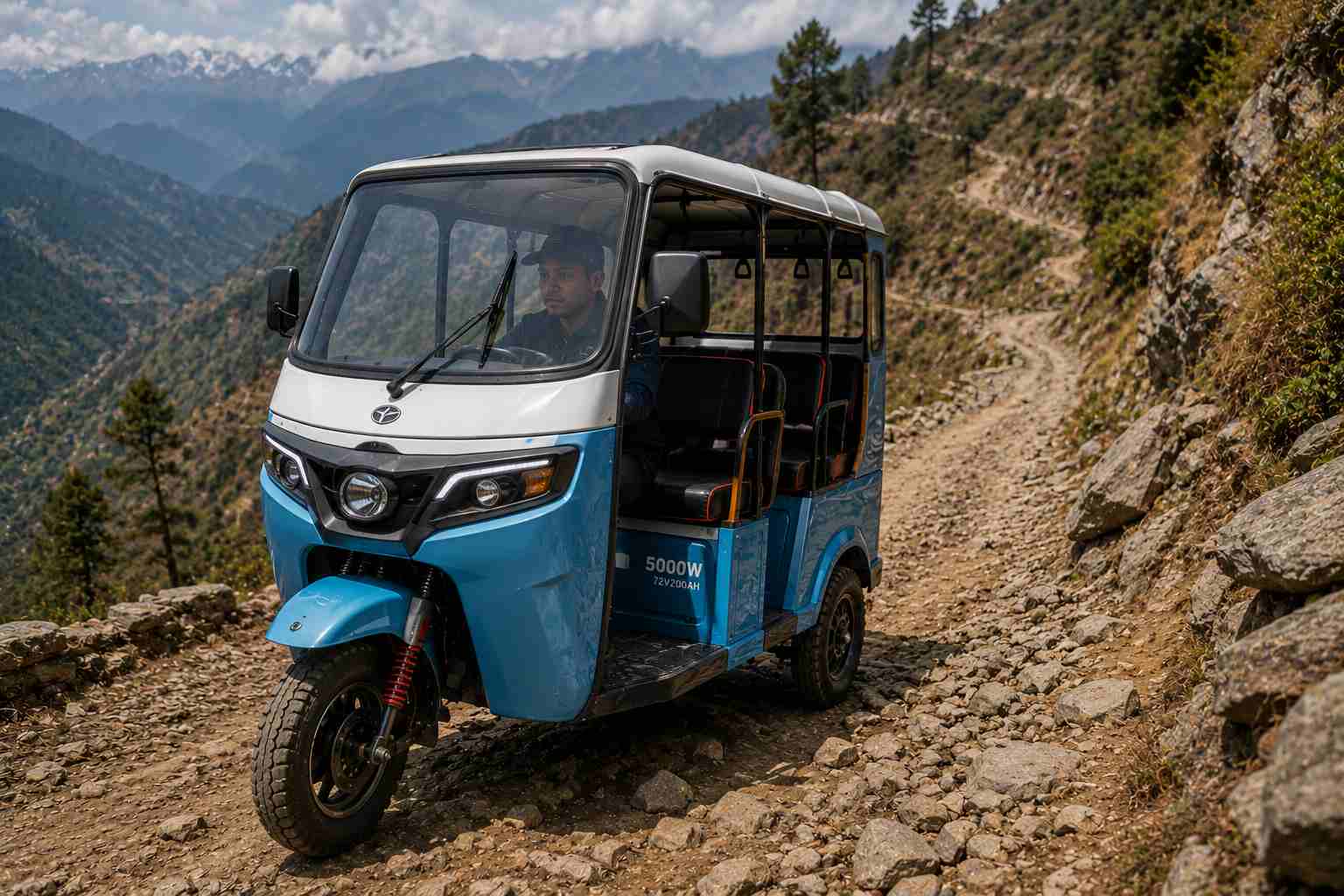
Таулы аймақтар сіздің электр жолаушыларыңыздың абсолютті шегін тексереді. Мұнда негізгі 1500 Вт немесе 2000 Вт қозғалтқышты пайдалана алмайсыз. Тік еңістерді бағындыру үшін сізге 4000 Вт немесе 5000 Вт қуатты қозғалтқыш қажет. Бірақ мотор қуатының өзі жеткіліксіз.
Өрмелеу өнімділігі негізінен контроллерді реттеуге және артқы осьтің беріліс қатынасына байланысты. Біздің зауыт төмен жылдамдықта максималды ток беру үшін контроллерді реттейді. Біз сондай-ақ төмен жылдамдықты альпинистік редукторды орнатамыз. 72V150Ah немесе 72V200Ah пакеті сияқты 72V литий батарея жүйесін таңдауыңыз керек. 72 В жүйесі бірдей жоғары қуат үшін аз токты итереді, бұл ұзақ көтерілу кезінде қозғалтқышты қызып кетуден сақтайды.
Еңістерде тежеу
Таумен жүру тік төмен тежеуді білдіреді. Сізде гидравликалық дискілі тежегіштер болуы керек. Standard drum brakes will overheat and fail quickly on a mountain route.
| Таулы жол факторы | Ұсынылған жаңарту | Себебі Неге |
|---|---|---|
| Тік еңістер | 4000W-5000W қозғалтқыш + төмен беріліс | Ауыр жүктер үшін жоғары айналу моментін береді |
| Ұзын өрмелеу | 72V150Ah/200Ah литий батареясы | Мотордың қызып кетуіне жол бермейді |
| Төменгі беткейлер | Гидравликалық дискілі тежегіштер | Тежегіштің әлсіреуі мен апаттардың алдын алады |
| Жоғары қуатты тарту | Сыйымдылығы жоғары контроллер | Күшті кернеу кезінде кернеуді сақтайды |
4. Су басқан және жаңбырлы аймақтар: судың зақымдануын қалай болдырмауға болады?
Жаңбыр көшелерді өзенге айналдырып, арзан электрониканы қысқартады. Өлген көліктер сізге мыңдаған жөндеуге кетеді. You must secure complete water protection for your fleet.
Су басқан аумақтар IP67 стандарты бойынша су өткізбейтін электр қосқыштарын, жоғары орнатылған контроллерлерді және тотқа төзімді жақтауларды қажет етеді. Терең протекторлы шиналар тайғақ жолда жүруді жақсартады. You must protect the lithium battery and motor completely so the vehicle can drive through occasional deep water safely.
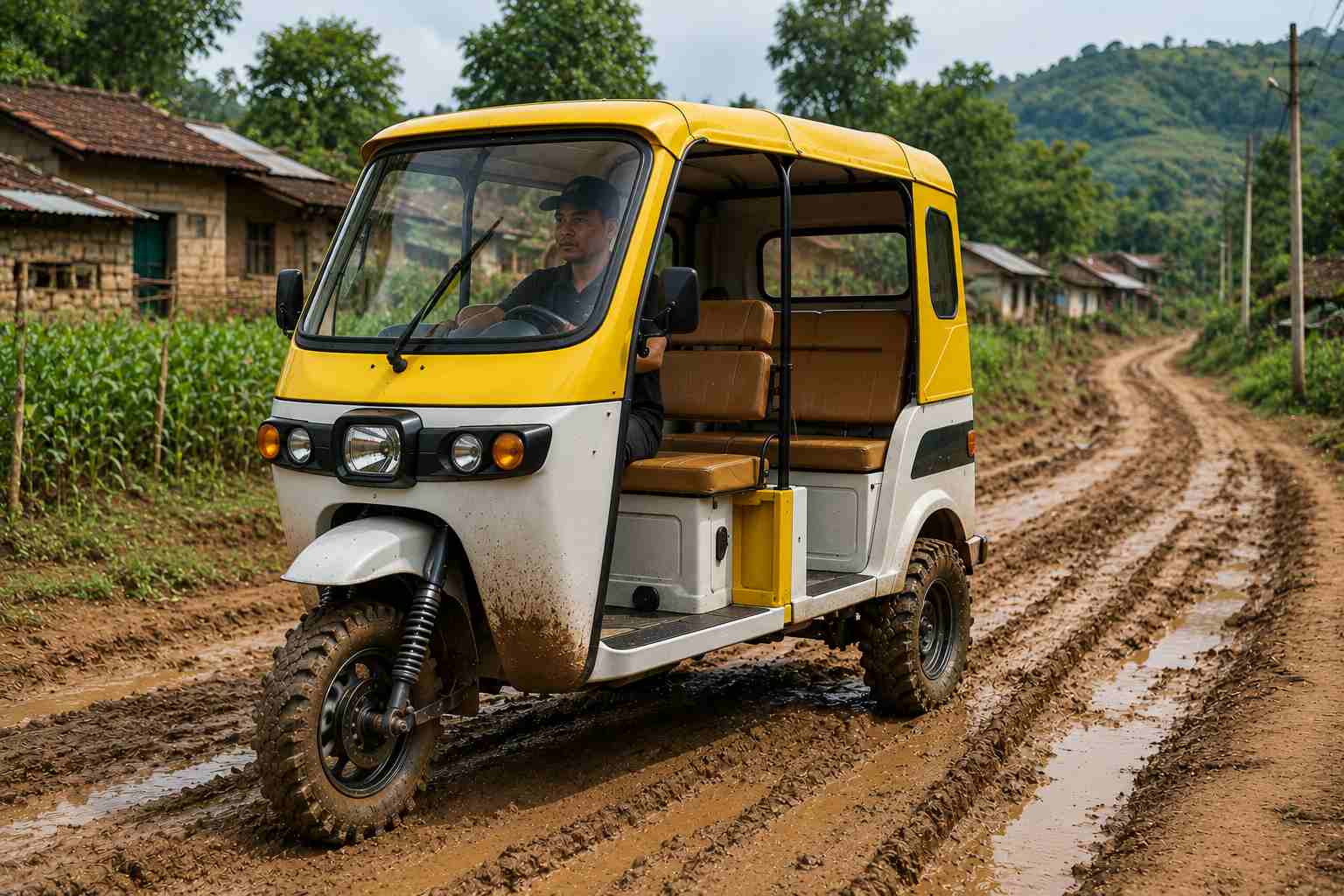
Көптеген елдер жаңбырлы маусымдарға тап болады. Су басқан аумақтарда электрлік кекені пайдалану зауыттық өзгерістерді қажет етеді. Су мен электр ешқашан жақсы араласпайды.
Менің Оңтүстік Америкада флот операцияларын жүргізетін клиенттерім бар. Олар қатты жол суының астында қалды. Олар әр көлікке IP67 су өткізбейтін электр қосқыштарын орнатуды талап етеді. Олардың жүргізушілері анда-санда терең су арқылы жүруге мәжбүр болады. Егер біз стандартты тығындарды қолданатын болсақ, су бүкіл жүйені бірден қысқартады. Біз контроллерді жүргізуші орындығының астына жоғары қойып, литий батареясының қорабын толығымен жабамыз.
Тоттың алдын алу
Тот рамаларды тез бұзады. We use an electrophoretic painting process on the entire chassis before applying the top coat. You also need tires with wide water-channeling grooves to prevent sliding on wet roads.
| Жаңбырлы аймақ қаупі | Маңызды зауыттық қорғау | Операторға пайда |
|---|---|---|
| Терең су шалшықтары | IP67 су өткізбейтін қосқыштар | Электрлік қысқа тұйықталуды тоқтатады |
| Тұрақты ылғал | Электрофоретикалық жақтау бояуы | Тотты тоқтатады және жақтаудың қызмет ету мерзімін ұзартады |
| Тайғақ балшық | Терең ойық жаңбыр шиналары | Сырғып кетуді және құлауды болдырмайды |
| Кездейсоқ су тасқыны | Жабық литий батареясының қорабы | Қуат көзін толығымен құрғақ ұстайды |
5. Құмды шөл жолдары: кептелуден қалай аулақ болуға болады?
Жұмсақ құм тар шиналарды бірден жұтады. Digging a heavy tricycle out of the dirt wastes hours. You need specific wheel and power upgrades for desert environments.
Құмды жолдар көліктің салмағын бөлу және суға батып кетудің алдын алу үшін кең шиналарды қажет етеді. Бос құмды үнемі итеру үшін сізге 3000 Вт немесе 4000 Вт қозғалтқыш қажет. Күшті салқындату жүйесі ыстық шөлді климатта контроллер мен қозғалтқыштың қызып кетуіне жол бермейді.
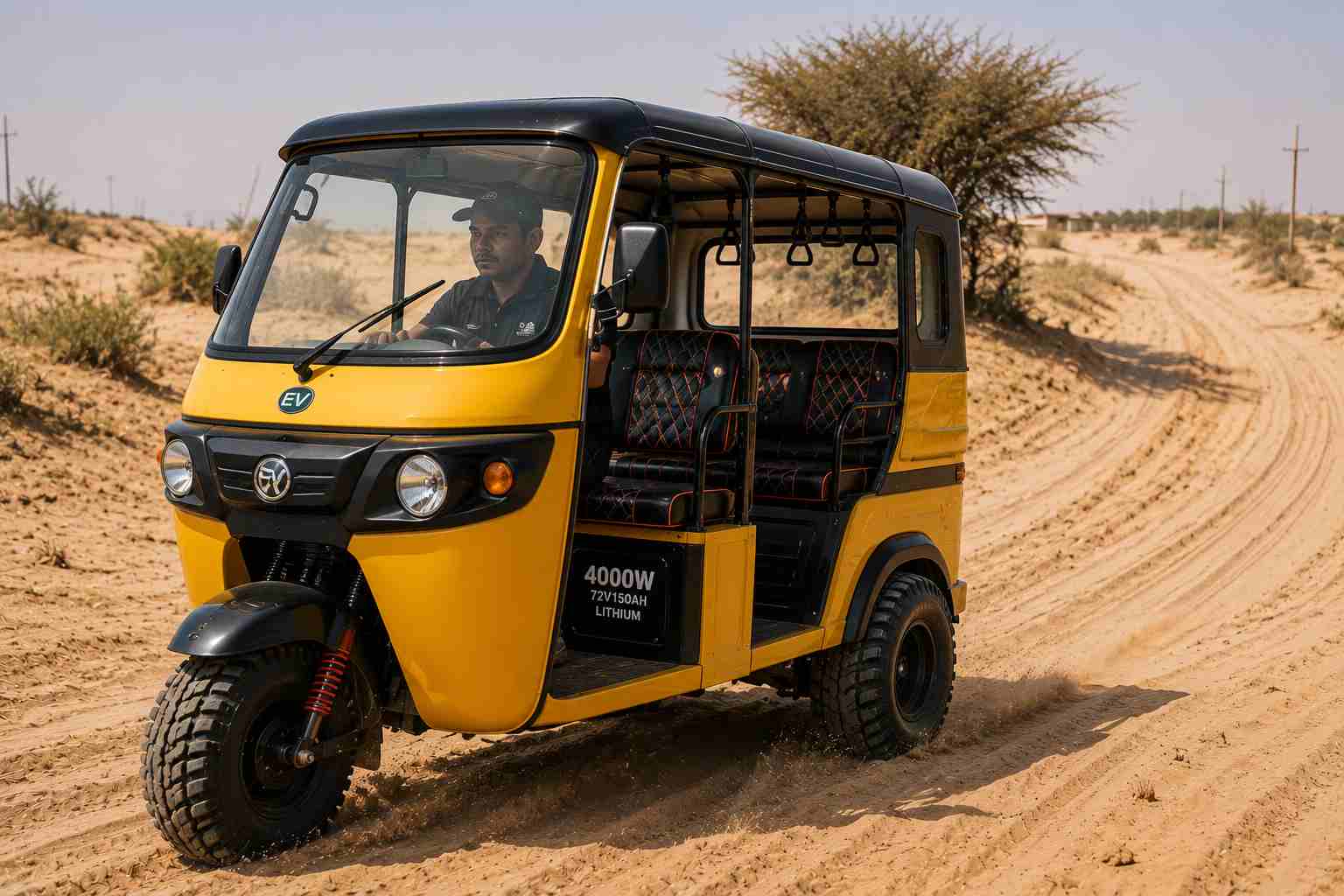
Шөлді аймақтардағы немесе құмды жағалау аймақтарындағы базарлар өте ерекше қиындық тудырады. Құм нөлдік тартымдылықты қамтамасыз етеді. Егер сіз жұқа қалалық шинаны қолдансаңыз, электрлік кеке шұңқыр қазып, оське тікелей батып кетеді.
Сіз кең, шар тәрізді шиналарды көрсетуіңіз керек. Кең шиналар көліктің салмағын үлкенірек аумаққа таратады. Бұл үш велосипедтің құмның үстінде қалқып тұруын қамтамасыз етеді. Сондай-ақ сізге 72V120Ah немесе 72V140Ah литий батареясымен жұптастырылған қуатты 3000W немесе 4000W мотор қажет. Жұмсақ құмды итеру тұрақты, ауыр төмен жылдамдықты қуатты қажет етеді.
Шаңнан қорғау
Құмның абразивтілігі жоғары. Ол доңғалақ мойынтіректерін бұзады және тежегіштерді тегістейді. Қозғалмалы бөліктерді ұсақ шөл шаңынан қорғау үшін шаңмен жабылған мойынтіректерді және тығыз жабық тежегіш қондырғыларды орнатамыз.
| Desert Road Challenge | Қажетті конфигурация | Операциялық нәтиже |
|---|---|---|
| Бос құм | Өте кең шар шиналары | Көліктің батып кетуіне жол бермейді |
| Абразивті шаң | Тығыздалған доңғалақ мойынтіректері | Құмды дөңгелектерді бұзуды тоқтатады |
| Құмнан сүйреңіз | 3000Вт-4000Вт қозғалтқыш | Қарсылықты оңай итереді |
| Қарқынды жылу | Жылытқышы бар контроллер | Шөлде электронды ақауларды тоқтатады |
6. Кедір-бұдыр құрылыс жолдары: өнеркәсіптік аймақтардан қалай аман қалу керек?
Индустриалды парктерде сынған тротуарлар мен үлкен жыныстар бар. Бұл теріс пайдалану кезінде стандартты жақтаулар екіге бөлінеді. Күнделікті өнеркәсіптік тасымалдаудан аман қалу үшін көлік құрылымын күшейту керек.
Кедір-бұдыр құрылыс жолдары ауыр жүкті алдыңғы амортизаторларды, екі қабатты арматураланған болат жақтауды және берік болат дөңгелектерді қажет етеді. Тұрақты әсер құрылымдық ақаулардың алдын алу және жолаушылар салонын тұрақты ұстау үшін коммерциялық деңгейдегі аспа компоненттерін талап етеді.
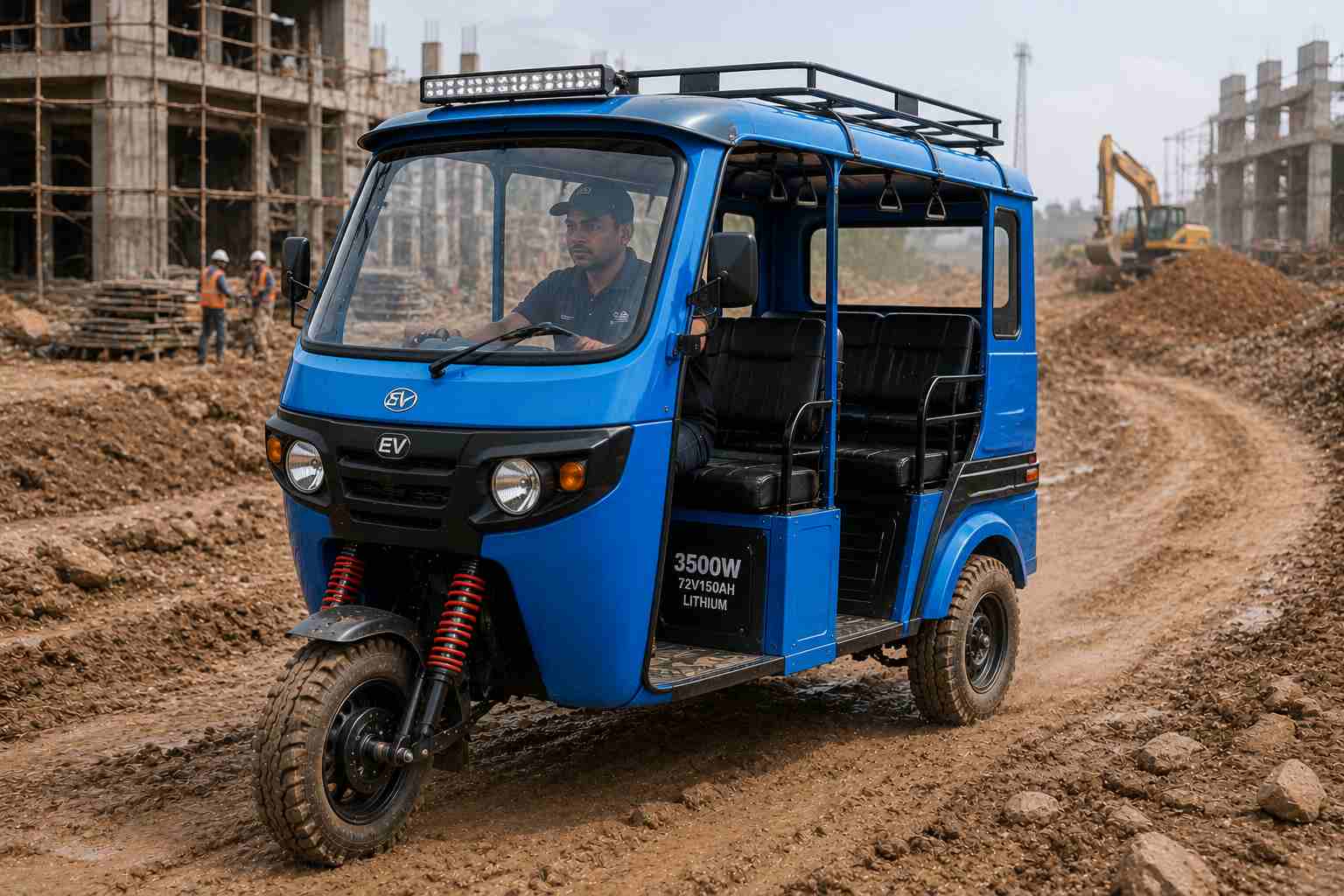
Көптеген клиенттер жұмысшыларды ірі өнеркәсіптік парктер немесе тау-кен өндірісі аймақтарының ішінде жылжыту үшін біздің жолаушылар үш велосипедін сатып алады. Бұл жолдар қорқынышты. Оларда өткір тастар, терең кратерлер және сынған бетондар бар.
Бұл жерде шасси сапасына ымыраға келе алмайсыз. Бұл тапсырыстар үшін біз екі қабатты арматураланған болат жақтауды қолданамыз. Стандартты алюминий доңғалақтары ауыр жүкпен толық жылдамдықпен терең шұңқырға соғылған жағдайда майысады және жарылады. Қалың болат дөңгелектерді көрсету керек. 3000 Вт мотор және 60V120Ah литий батареясы ауыр жұмысшы жүктемелерін тамаша көтереді.
Тоқтата тұру жаңартулары
Тоқтата тұру күнделікті шектен тыс теріс пайдалануды қабылдайды. Біз ішкі серіппелері қалыңдаған ауыр жүкті алдыңғы амортизаторларды орнатамыз. Артқы жағында біз көп қабатты жапырақты серіппелерді қолданамыз. Құрылымдық аман қалу мұнда жұмсақ жүруден әлдеқайда маңызды.
| Өнеркәсіптік жолдағы қауіп | Ауыр жүкті жаңарту | Неліктен маңызды |
|---|---|---|
| Өткір тастар | Қалың болат дөңгелектер | Алюминий доңғалақтар соққыдан жарылып кетеді |
| Терең кратерлер | Ауыр жүкті алдыңғы шанышқылар | Жаппай соққыларды қауіпсіз сіңіреді |
| Тұрақты секіру | Көп қабатты жапырақты серіппелер | Жұмысшылардың ауыр жүктемелерін қолдайды |
| Шассидегі кернеу | Екі қабатты болат жақтау | Үш велосипедтің сынуын болдырмайды |
7. Тар қала көшелері: маневрлік неге соншалықты маңызды?
Ежелгі базарлар арқылы үлкен көліктерді жүргізу шексіз кептелістерді тудырады. Жүргізушілер аллеяларда қалып, сағаттарын босқа өткізеді. Бизнесіңіздің жылдам жүруі үшін сізге ықшам ептілік қажет.
Тар көшелер ықшам екі қатарлы корпусты және өте аз бұрылу радиусын қажет етеді. 1500 Вт немесе 2000 Вт қозғалтқышымен жұмыс істейтін бұл икемді электрлік пирожныйлар тар кеңістіктерді лезде шарлайды. Олар жүргізушіге тосын кедергілерден аман-есен айналып өту үшін тамаша көрініс береді.
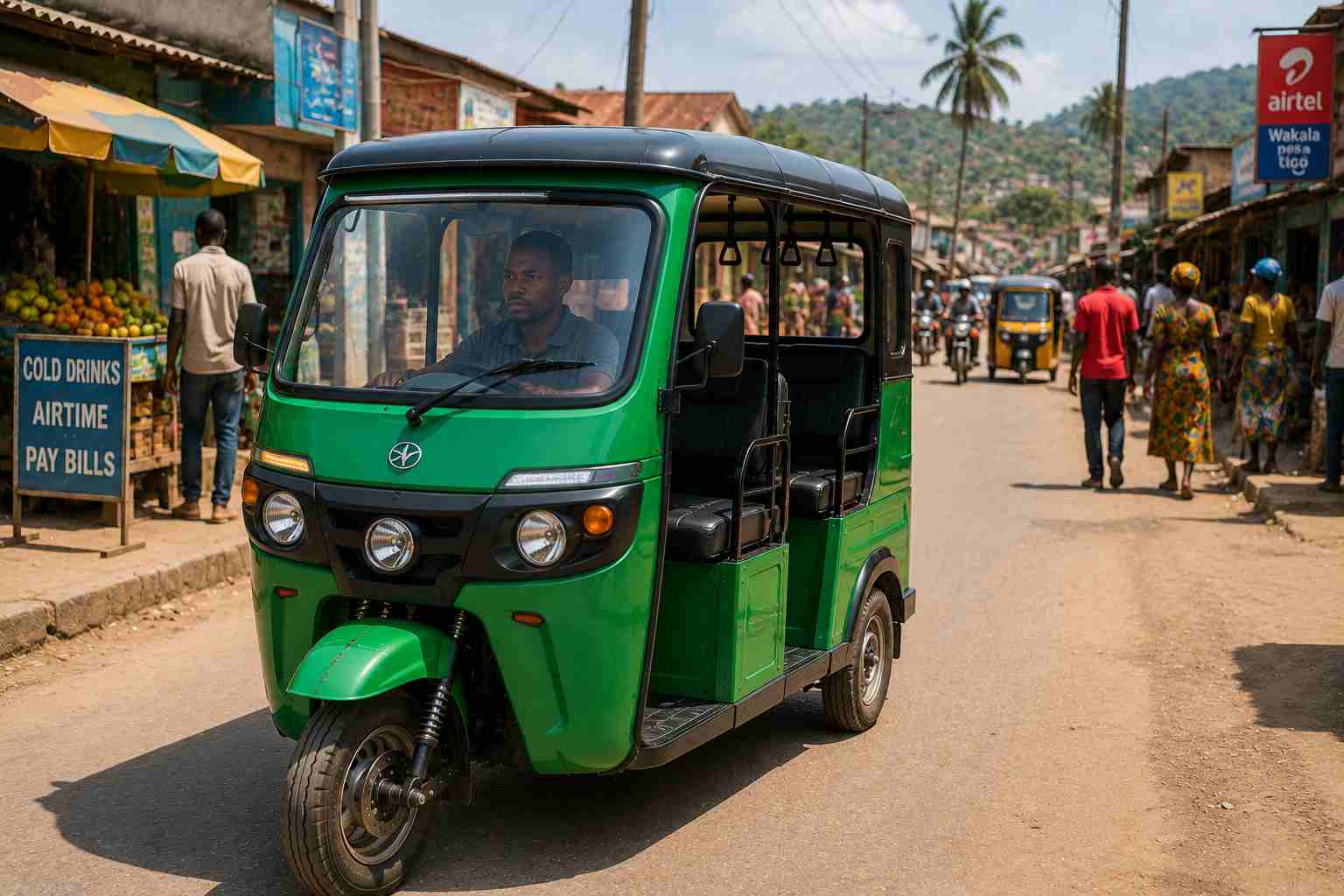
Біздің көптеген клиенттеріміз ескі қала орталықтарында немесе толып жатқан африкалық көше базарларында жұмыс істейді. Кеңістік өте тығыз. 3 қатарлы, 7 орындық үлкен көлік осы шағын аллеяларда айнала алмайды.
Сіз ықшам дене стиліне тапсырыс беруіңіз керек. Доңғалақ базасы қысқа болуы керек. Қысқа доңғалақ базасы электрлік жолаушы үш велосипедіне өте тығыз бұрылу радиусын береді. Жүргізуші тар көшеде бір қозғалыспен кері бұрыла алады. 60V100Ah литий батареясымен біріктірілген 1500Вт немесе 2000Вт қозғалтқышы осы қолданба үшін тамаша жеңіл қуатты орнату болып табылады.
Драйвердің көрінуі
Адамдар көп базарда жүру жаяу жүргіншілердің үнемі көліктің алдынан өтуін білдіреді. Соқыр дақтарды жою үшін біз алдыңғы кабинаны үлкен жел әйнектерімен және минималды тіректермен жобалаймыз. Мұнда жақсы тежегіштер міндетті болып табылады.
| Тар көше мәселесі | Ықшам дизайн таңдауы | Жүргізуші артықшылығы |
|---|---|---|
| Тығыз аллеялар | Қысқа доңғалақ базасы | Жылдам және оңай бұрылуға мүмкіндік береді |
| Толық базарлар | Шағын дене ені | Көлік бос жерлерінен оңай өтеді |
| Жаяу жүргіншілер қозғалысы | Кең алдыңғы әйнек | Жазатайым оқиғаларды болдырмау үшін жақсырақ көріну |
| Кенеттен тосқауылдар | Жауапты дискілі тежегіштер | Баяу трафикте бірден тоқтайды |
8. Жолаушылар ағыны жоғары аймақтар: ауыр жүктерді қалай басқаруға болады?
Кішкентай үш велосипедке жеті адамды тиеу артқы доңғалақтарды басып қалады. Мотор айғайлап, тез жанып кетеді. Көп адамдар үшін арнайы сыйымдылығы жоғары көліктерді сатып алу керек.
Көлік қозғалысы көп аймақтар үш қатарлы отыратын үлкен үлгілерді, 5000 Вт қуатты қозғалтқышты және ауыр жүкті артқы осьті қажет етеді. Көлік рамасына зақым келтірместен немесе жылдамдықты жоғалтпай тұрақты максималды жолаушы салмағын жылжыту үшін 72V150Ah немесе 72V200Ah литий батареясын пайдалану керек.
、
Мектептердің, ауруханалардың немесе ірі автовокзалдардың жанында жұмыс істеу сіздің көлігіңіздің әрқашан толы екенін білдіреді. Сіз күні бойы максималды салмақпен жүгіресіз. Бұл көліктің жолмен әрекеттесуін толығымен өзгертеді.
Бұл жұмыс үшін үлкенірек 3 қатарлы көлік сатып алу керек. Бұл салмақты тарту үшін сізге 5000 Вт қуатты қозғалтқыш қажет. Стандартты ось жеті ауыр ересек адамның салмағымен иіледі. Сіз ауыр жүкті артқы осьті және күшті жапырақты серіппелерді таңдауыңыз керек. Біз бұл үлкен көліктерді тек 72V150Ah немесе 72V200Ah сияқты үлкен 72В литий батареяларымен қуаттаймыз.
Жолаушыға қол жеткізу
Біз сондай-ақ жолаушылар қатынасына көп көңіл бөлеміз. Біз төмен кіру қадамдары мен күшті тұтқаларды орнатамыз. Егде жастағы науқастар немесе мектеп оқушылары тез және қауіпсіз кіріп-шығуы керек.
| Жоғары трафик факторы | Ұсынылатын мүмкіндік | Жолаушы жәрдемақысы |
|---|---|---|
| Тұрақты максималды салмақ | Ауыр жүкті артқы ось | Жүктеме астында осьтің майысуын болдырмайды |
| 7-Жолаушы жүк | 5000 Вт қозғалтқыш + 72 В батарея | Қалың адамдармен жылдамдықты сақтайды |
| Жиі отырғызу | Төмен кіреберіс бүйірлік қадамдар | Жолаушыларға жылдам және қауіпсіз қол жеткізу |
| Қатты тоқтау | Жақсартылған тежегіш жүйесі | Толық жүктемелермен қауіпсіз аялдамалар |
9. Ұзақ күнделікті жұмыс маршруттары: батареяның қайсысын орнату жақсы?
Жарты жолда электр қуатының таусылуы күнделікті табысыңызды бұзады. Өлген көлік қымбат сүйретуді қажет етеді. Күні бойы көлік жүргізу үшін сізге үлкен қуат көзі қажет.
Ұзын жолдар қажет жоғары сыйымды литий 60V120Ah бастап 72V200Ah аралығындағы батареялар. Жылдам зарядтау технологиясымен жұптастырылған үлкен литий пакеттері көлік салмағын азайтады және қозғалыс ауқымын айтарлықтай ұзартады. Бұл сіздің флотыңыздың күнделікті 120 шақырымдық маршруттарды тоқтаусыз аяқтауға кепілдік береді.
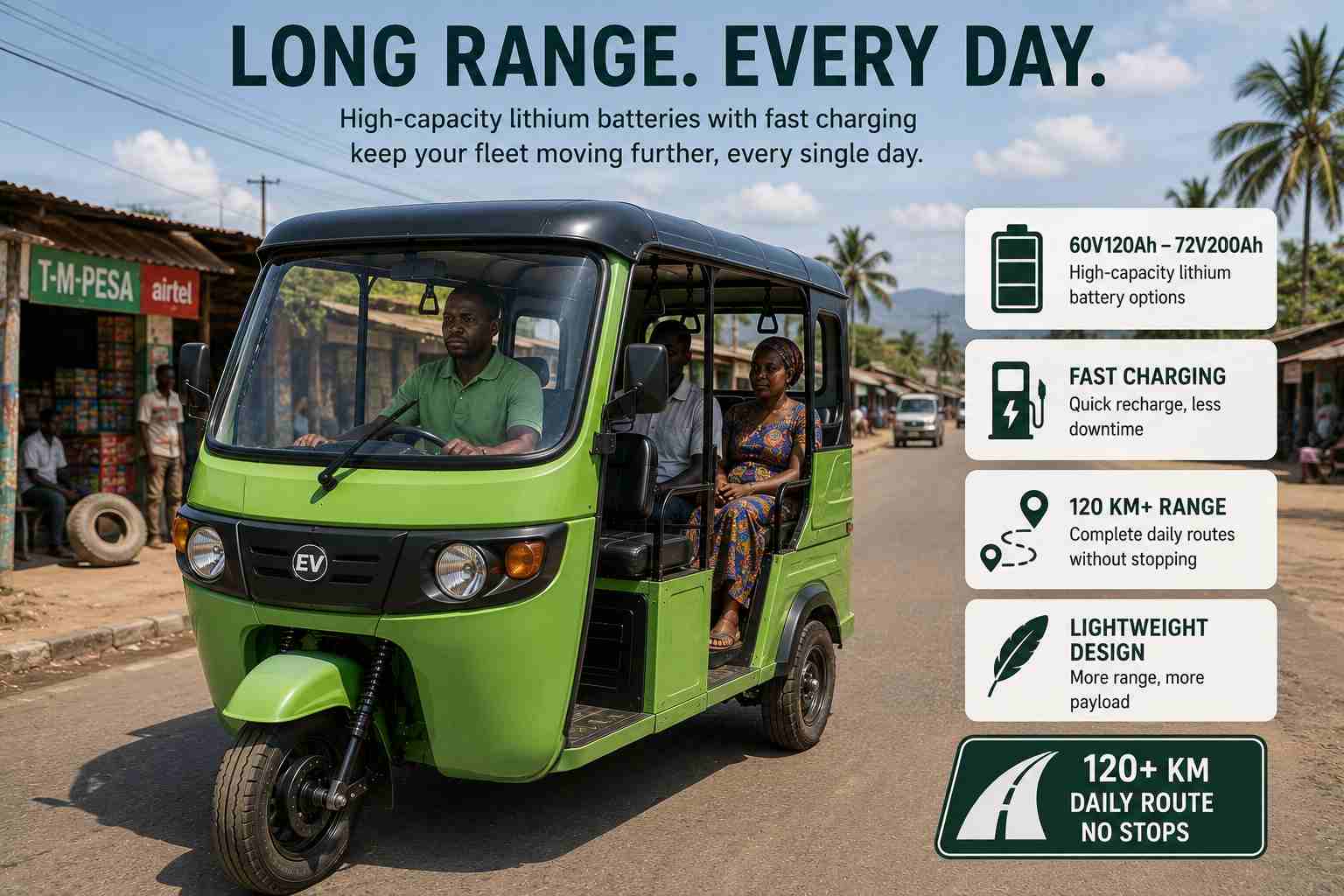
Бағыттың ұзындығы бүкіл қуат жүйесінің дизайнын белгілейді. Барлық кәсіби жолаушылар үш велосипедтері енді литий батареяларын пайдаланады. Олардың салмағы ескі жүйелерге қарағанда әлдеқайда аз және тұрақты қуат береді.
Жүргізушілер тәулігіне 100-120 шақырым жол жүрсе, үлкен сыйымдылығы бар литий батареясын таңдау керек. 60V120Ah немесе 60V150Ah жинағы 2000Вт-тан 3000Вт-қа дейінгі қозғалтқыштар үшін өте қолайлы. Үлкенірек 5000 Вт көліктер үшін сізге 72V150Ah немесе 72V200Ah литий батареясы қажет. Литий пакеттері өте жылдам зарядталады. Жүргізуші түскі үзіліс кезінде желіге қосылып, бар болғаны бір сағатта 40 шақырым қашықтықты қоса алады.
Мотор мен аккумулятордың сәйкес келуі
Біз үлкен литий батареяларын жоғары тиімді қозғалтқыштармен біріктіреміз. Батареяның дұрыс өлшемін қамтамасыз ету үшін зауытқа тапсырыс бермес бұрын нақты күнделікті жүгірісіңізді есептеуіңіз керек.
| Күнделікті маршрут ұзақтығы | Ұсынылған литий батареясы | Зарядтау стратегиясы |
|---|---|---|
| Орташа (50 - 80 км) | 60V100Ah литий | Түнгі төлем |
| Ұзын (80 - 100 км) | 60V120Ah / 60V150Ah Литий | Жүргізуші үзіліс кезінде жылдам зарядтау |
| Өте ұзақ (100+ км) | 72V150Ah / 72V200Ah Литий | Күні бойы көлік жүргізуге арналған жоғары сыйымдылық |
| Ауыр жүкті бағыттар | 72V200Ah + 5000W мотор | Максималды қуат пен диапазон біріктірілген |
10. Жергілікті климаттық жағдайлар: ауа райы көліктерге қалай әсер етеді?
Қатты ыстық арзан контроллерлерді ерітеді. Жағалаудағы тұзды ауа жалаңаш болатты бірден таттайды. Ignoring your local weather destroys your fleet just as fast as bad roads.
Жергілікті климат нақты зауыттық өзгерістерді талап етеді. Ыстық аймақтарға аккумуляторды салқындатудың жетілдірілген жүйелері қажет. Жағалау аймақтары тоттануға қарсы бояуды қажет етеді. Шаңды орталар уақыт өте келе электрлік жолаушы үш велосипедінің ішкі зақымдалуын болдырмау үшін толығымен жабылған 3000 Вт қозғалтқыштарды қажет етеді.
Климат көлік шектеуін тексеру үшін жол жағдайларымен бірге жұмыс істейді. Егер сіз өте ыстық климат үшін үш велосипед сатып алсаңыз, жылуды басқару сіздің басты басымдығыңыз болып табылады. Жоғары температура литий батареяларын бұзады. Біз үлкен алюминий радиаторлары бар контроллерлерді орнатамыз. Біз көлік жүргізу кезінде максималды ауа ағынын алу үшін батарея қорабын орналастырамыз.
Ылғалды немесе жағалаудағы климатта тұзды ауа металды тез бұзады. Біз рамаға теңіз деңгейіндегі тотқа қарсы өңдеулерді қолданамыз. Тот басуды тоқтату үшін мүмкіндігінше тот баспайтын болаттан жасалған болттарды қолданамыз.
Шаң мен кірден қорғау
Өте шаңды климатта ұсақ кір қозғалтқыштың ішіне кіріп, магниттерді ұсақтайды. Біз 2000 Вт-тан 5000 Вт-қа дейінгі диапазонымыз үшін толығымен жабылған щеткасыз қозғалтқыштарды қолданамыз. Біз барлық электр қосылымдарын тығыз резеңке етікпен жабамыз. Біз құрылысты реттей алуымыз үшін сіз зауытқа жергілікті ауа-райы туралы айтуыңыз керек.
| Климат жағдайы | Зауыттық модификация | Қорғаныс қамтамасыз етілген |
|---|---|---|
| Қатты жылу | Алюминий радиаторлары | Контроллердің күйіп қалуын болдырмайды |
| Жағалаудағы тұзды ауа | Теңіздегі тоттануға қарсы бояу | Шассидің жылдам коррозиясын тоқтатады |
| Қатты шаң | Толығымен жабылған щеткасыз қозғалтқыш | Қозғалыс бөліктерін кірден сақтайды |
| Тропикалық жаңбыр | IP67 герметикалық қосқыштар | Қысқартулар мен сымдардың шіріп кетуін тоқтатады |
Қорытынды
Жол жағдайлары сіздің электрлік кеке конфигурацияңызды белгілейді. Автопаркыңыз барлық жерде жоғары табысты және берік болып қалуы үшін дұрыс қозғалтқышты, литий батареясын және су өткізбейтін бөлшектерді таңдаңыз.
