


Vos clients ne cessent de poser des questions sur le temps de recharge, mais vous ne pouvez donner qu'une réponse vague. Cette incertitude vous donne l'impression que vous n'êtes pas préparé et peut affaiblir la confiance d'un client dans votre produit.
La plupart des tricycles électriques à 3 roues standard mettent 4 à 8 heures pour se recharger complètement. L'heure exacte dépend de la capacité de la batterie, de son niveau de charge actuel et de la puissance du chargeur utilisé.
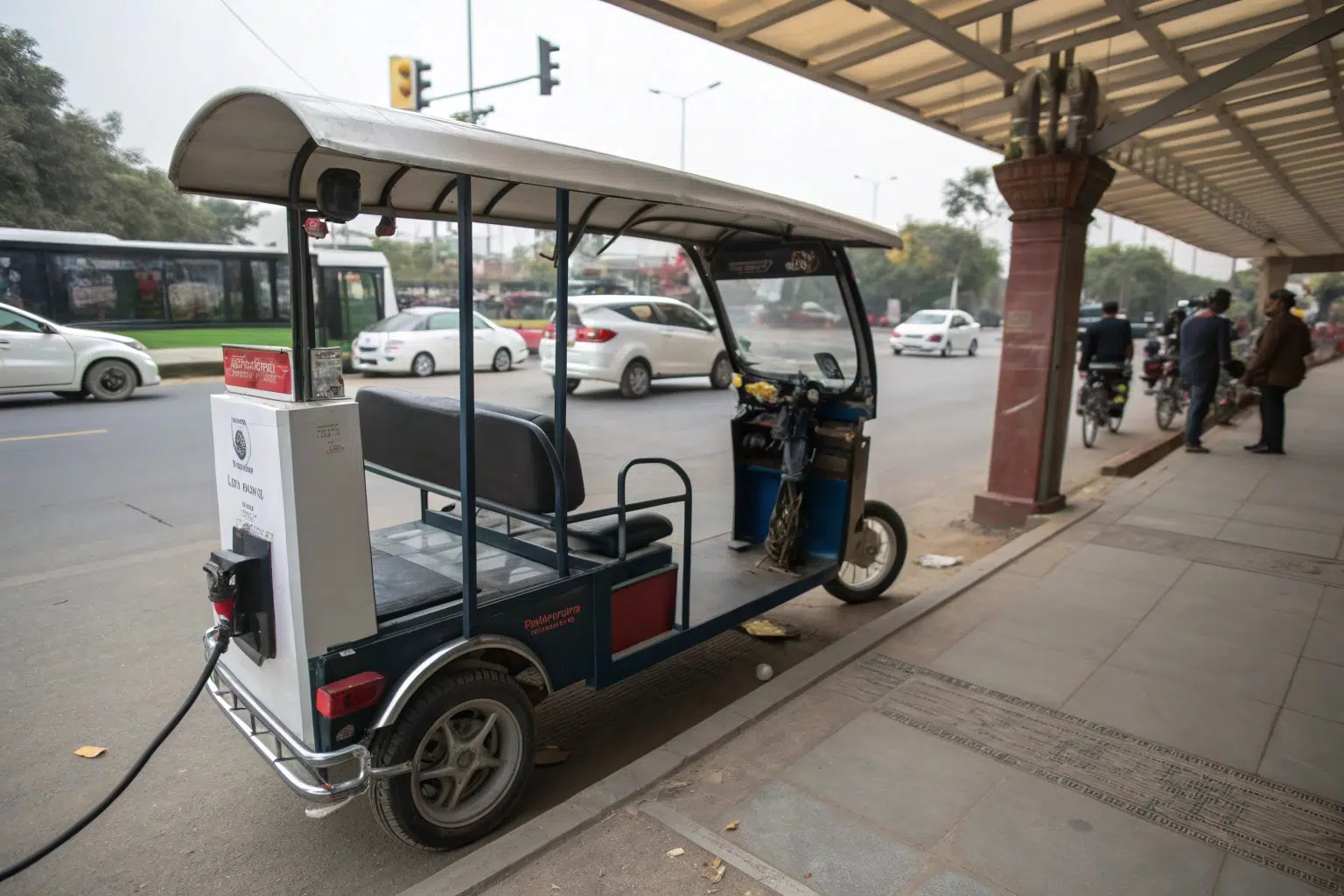
As a factory owner, "How long does it take to charge?" is one of the top three questions I get from every new distributor. It's a simple question with a surprisingly detailed answer. Giving your customers a clear and accurate explanation is crucial for managing their expectations and ensuring they use the vehicle correctly. The right charging habits protect the battery, which is the most valuable component of any tricycle cargo électrique. Let's break down the factors so you can answer with confidence.
How Many Hours Does It Take to Charge a 3-Wheel Electric Trike?
You see different charging times advertised for various models and don't know which is correct. This makes it hard to give a straight answer to a potential buyer.
Un tricycle typique se charge en 4 à 8 heures, mais les modèles commerciaux de grande capacité comme un tuk-tuk électrique peuvent prendre 8 à 10 heures. Le temps est un simple calcul de la capacité de la batterie divisée par la puissance du chargeur.
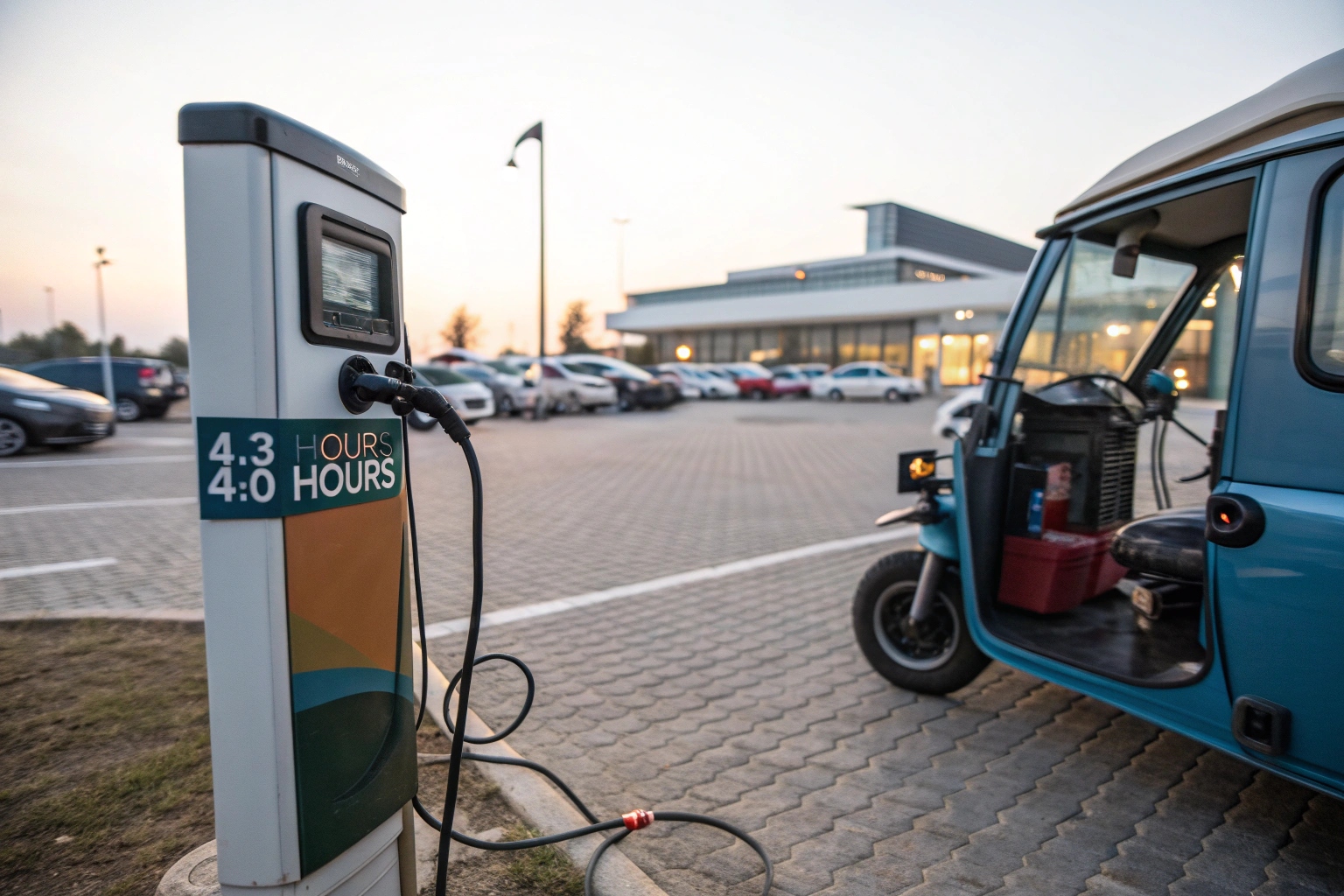
Le temps de charge n’est pas un nombre aléatoire ; c'est basé sur des mathématiques simples. Vous pouvez donner à vos clients une estimation très précise si vous connaissez deux choses : capacité de la batterie en ampères-heures (Ah) et le sortie du chargeur en ampères (A). La formule de base est Time = Ah / A. At my factory, we don't just sell a vehicle; we provide a complete system where the battery and charger are perfectly matched for the intended job. A small passenger scooter has very different needs from a heavy-duty cargo tricycle pickup. For instance, a high-demand electric tuk-tuk taxi needs a large battery for a full day's work, and a powerful charger to get it ready for the next shift. It's all about balancing performance, cost, and convenience.
| Type de véhicule | Batterie typique | Matched Charger | Estimated Full Charge |
|---|---|---|---|
| Passenger Scooter | 48V 30Ah | 5A | ~6 Hours |
| Cargo Tricycle Pickup | 60V 60Ah | 8A | ~7.5 Hours |
| Taxi Tuk-Tuk électrique | 72V 150Ah | 15A | ~10 Hours |
Does Battery Type Affect Charging Time for Electric Trikes?
Vous proposez des tricycles équipés de batteries au plomb et au lithium, mais les clients ne comprennent pas la différence de prix. Expliquer l’avantage de la recharge peut aider à justifier le coût plus élevé du lithium.
Oui, absolument. Une batterie lithium-ion peut se charger beaucoup plus rapidement qu’une batterie au plomb de même capacité en raison de son efficacité chimique supérieure et de sa résistance interne plus faible.
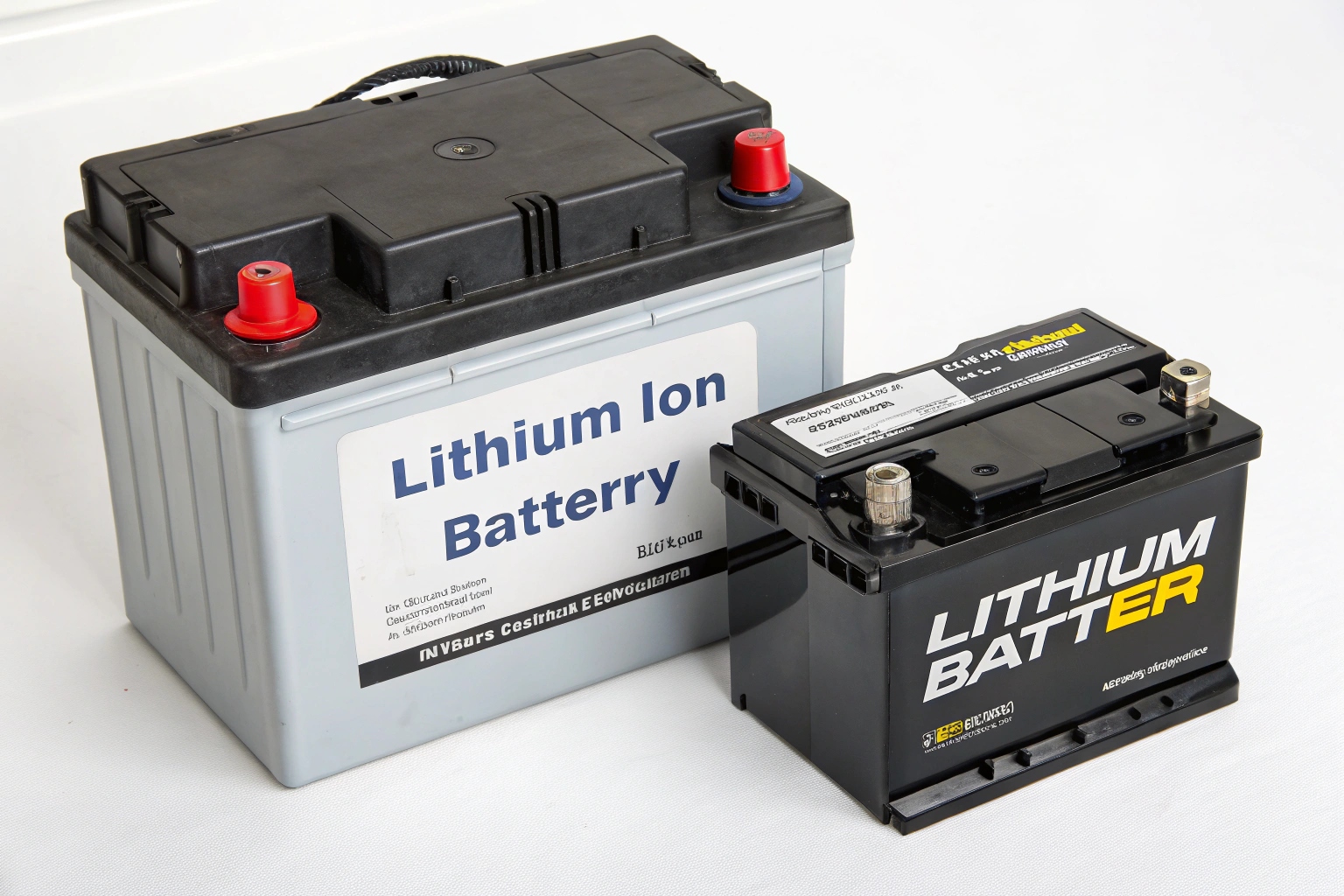
The choice between lead-acid and lithium-ion is one of the biggest factors in both performance and charging speed. While lead-acid batteries are a proven, low-cost option, they are less efficient. They lose more energy as heat during charging, so they take longer to fill up. Lithium-ion batteries, on the other hand, can accept a powerful charge more efficiently and safely, thanks to their advanced chemistry and integrated Système de gestion de batterie (BMS). For a commercial business like a last-mile delivery fleet where vehicle downtime means lost revenue, the faster charging of lithium batteries often provides a return on investment very quickly. This is a key selling point to highlight when a customer is focused only on the initial purchase price.
| Fonctionnalité | Batterie au plomb | Lithium-Ion Battery |
|---|---|---|
| Vitesse de charge | Slower (6-10 hours) | Faster (3-6 hours for comparable size) |
| Efficacité | Less efficient, gets warmer | Highly efficient, less heat loss |
| Durée de vie | 300-500 cycles | 1,000-2,000+ cycles |
| Poids | Heavy | Léger |
Are Fast Chargers Available for 3-Wheel Electric Trikes?
Your commercial customers want their trikes back on the road faster. You're wondering if a "fast charging" solution is a safe and viable option to offer them.
Yes, fast chargers with higher amperage are available and can cut charging time to 2-4 hours. However, frequent use generates more heat, which can accelerate battery aging and reduce its overall lifespan.
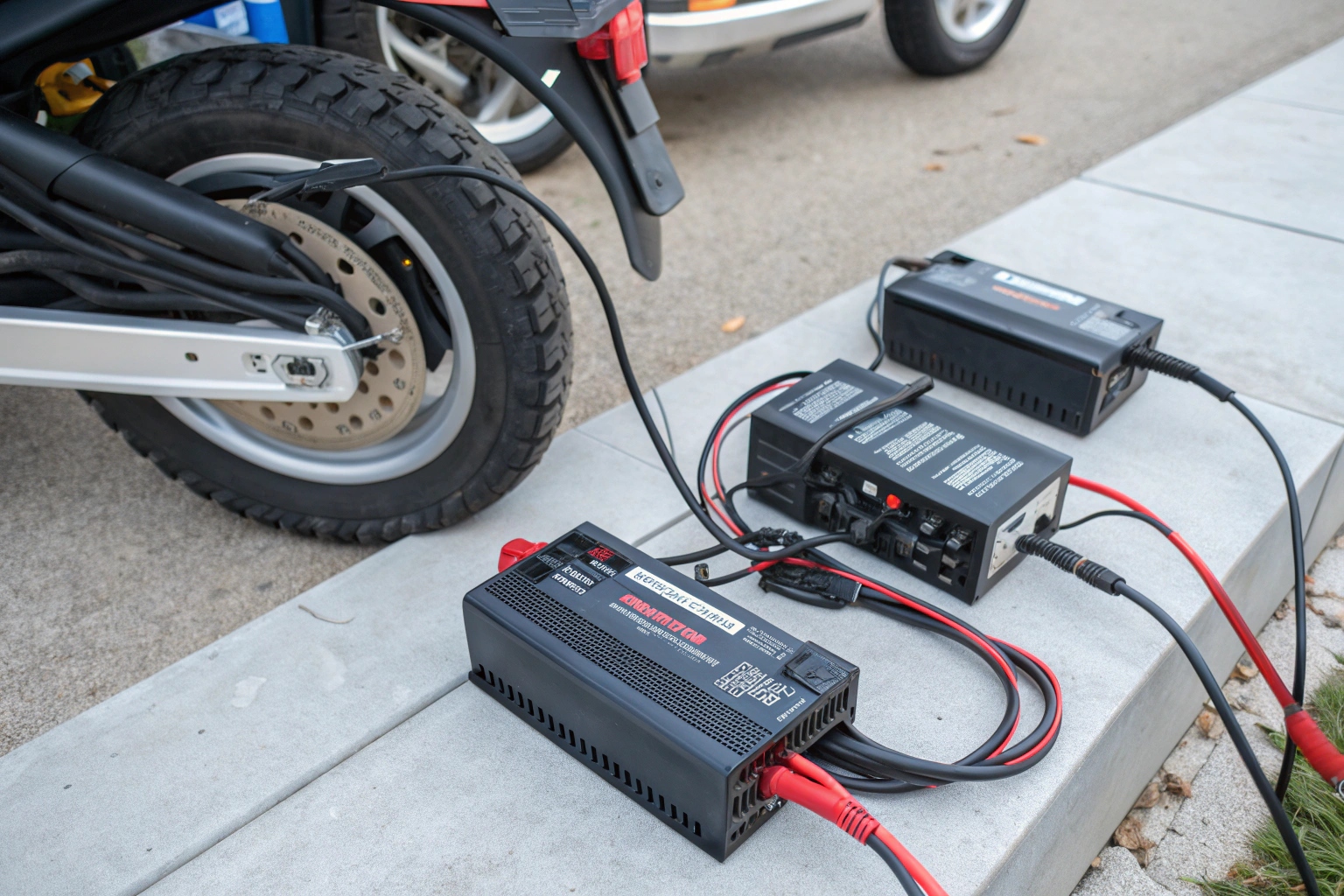
There is always a trade-off between charging speed and battery health. I often tell my distributors to think of it this way: a standard charger is like sipping water throughout the day—it's gentle and effective for long-term health. A fast charger is like chugging a whole bottle at once—it gets the job done quickly, but puts more stress on the system. We can supply fast chargers, but it's crucial to be honest with customers about the downside. For a delivery business where every minute counts, the convenience might be worth the small reduction in the battery's maximum lifespan. For a user who simply charges overnight, a standard charger is always the healthier and more economical choice for the battery. Never use a charger with a higher amperage than what the factory specifies, as this can cause permanent damage and void the warranty.
What Factors Influence Charging Time for Electric Trikes?
A customer complains their trike took 8 hours to charge in winter but only 6 in summer. You need to explain why this happens to manage expectations and provide better support.
Beyond the battery and charger, the two biggest factors are the starting charge level and the ambient temperature. A half-full battery charges much faster than an empty one, and cold weather slows charging significantly.
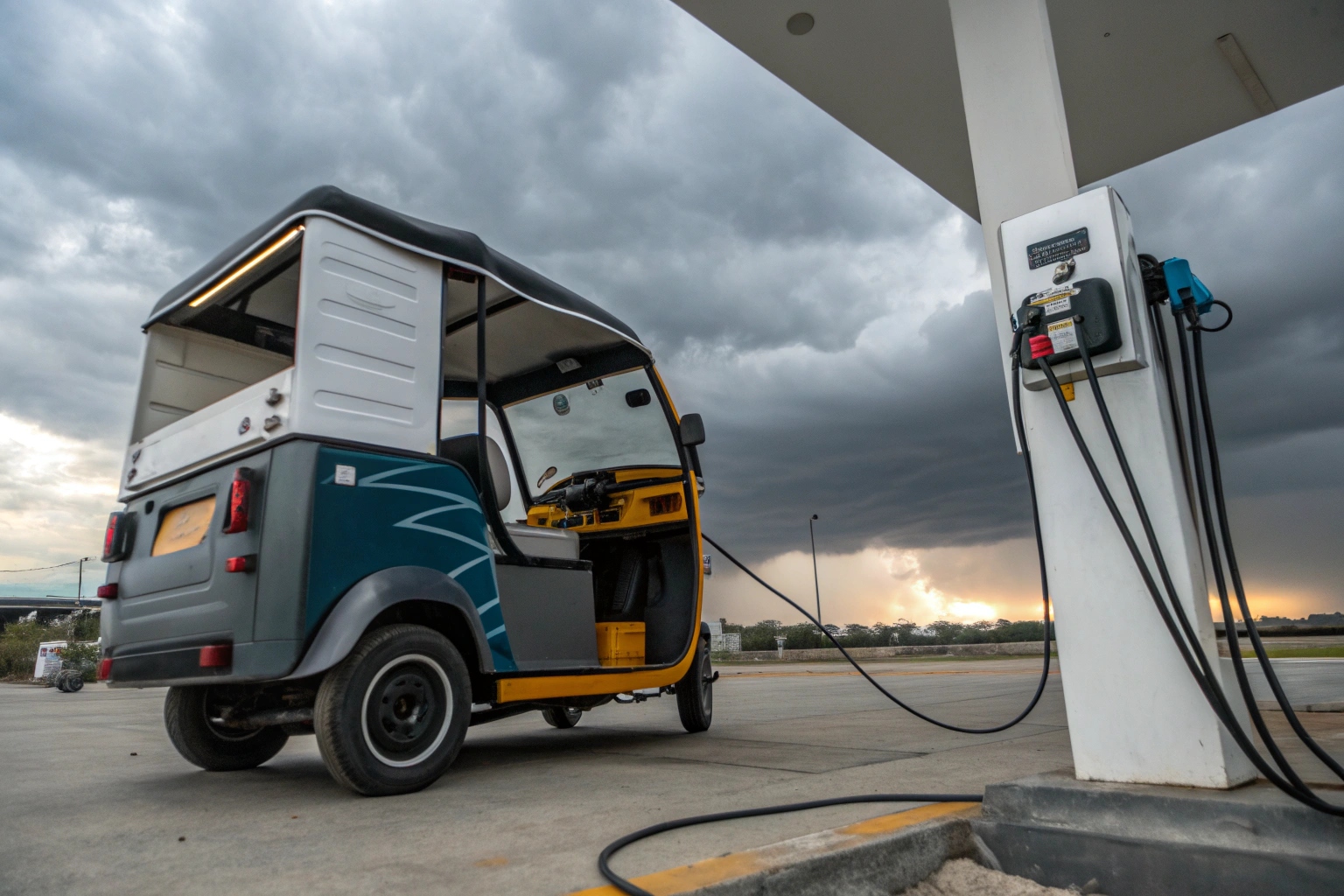
The charging process is not always linear. Understanding these variables will help you give better advice to your customers and manage their expectations.
- Remaining Charge Level: A battery charges fastest when it's between 20% and 80% full. The final 20% (from 80% to 100%) takes much longer as the Battery Management System (BMS) works to balance the individual cells and top them off safely. This is why charging from 50% can feel much quicker than charging from a completely dead 10%. Advise customers to plug in when the battery is around 20-30%, rather than running it completely empty.
- Ambient Temperature: Batteries are like people; they work best at a comfortable room temperature. In cold weather (below 5°C), the chemical reaction inside the battery slows down, which can reduce charging efficiency by up to 30% and add hours to the process. In extreme heat, the BMS may slow charging to prevent overheating. The best practice is always to charge indoors in a sheltered location.
Conclusion
A full charge typically takes 4-8 hours, but knowing the details about battery type, chargers, and temperature allows you to provide expert advice and build customer trust.
