


ค่าเชื้อเพลิงที่สูงและการบำรุงรักษารถตุ๊กตุ๊กน้ำมันเบนซินอย่างต่อเนื่องกำลังกัดกร่อนผลกำไรของคุณ ทุกๆวันเงินจะสูญเปล่าที่ปั๊มและในโรงรถ
รถตุ๊ก-ตุ๊กไฟฟ้ามีราคาถูกกว่าในการใช้งาน เนื่องจากค่าพลังงานรายวันลดลงอย่างมาก และต้องการการบำรุงรักษาเพียงเล็กน้อย การประหยัดเชื้อเพลิงและการซ่อมแซมอย่างรวดเร็วมีมากกว่าราคาซื้อเริ่มแรกที่สูงขึ้น ทำให้เป็นการลงทุนระยะยาวที่ให้ผลกำไรมากขึ้นสำหรับยานพาหนะใดๆ
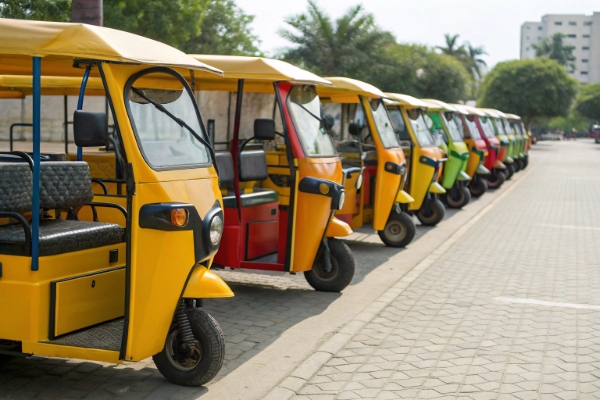
ลูกค้าของฉันหลายรายเน้นเฉพาะราคาสติกเกอร์เมื่อเปรียบเทียบรุ่นไฟฟ้าและเบนซิน ฉันบอกพวกเขาเสมอว่านี่เป็นความผิดพลาด การซื้อครั้งแรกเป็นเพียงส่วนหนึ่งของเรื่องราว ต้นทุนที่แท้จริงของยานพาหนะคือสิ่งที่คุณใช้จ่ายเพื่อให้รถใช้งานได้ทุกวัน เมื่อคุณดูต้นทุนรวมในการเป็นเจ้าของ (TCO) คณิตศาสตร์จะสนับสนุนการใช้ไฟฟ้าอย่างชัดเจน เรามาแจกแจงต้นทุนที่แท้จริงเพื่อแสดงให้คุณเห็นว่าเหตุใด
ค่าใช้จ่ายด้านพลังงานในแต่ละวันระหว่างการชาร์จรถตุ๊กไฟฟ้ากับการเติมน้ำมันรุ่นเบนซินแตกต่างกันอย่างไร
ราคาน้ำมันที่ไม่สามารถคาดเดาได้ทำให้ไม่สามารถจัดงบประมาณสำหรับกลุ่มยานพาหนะของคุณได้ ราคาที่พุ่งสูงขึ้นอย่างกะทันหันอาจทำให้ผลกำไรต่อเดือนของคุณหายไป ทำให้คุณไม่มีอะไรจะแสดงให้กับงานของคุณ
โดยทั่วไปการชาร์จรถตุ๊ก-ตุ๊กไฟฟ้าจะมีค่าใช้จ่ายน้อยกว่าการเติมน้ำมันแบบเบนซินเพื่อเดินทางในระยะทางเดียวกันถึง 70-80% ด้วยอัตราค่าไฟฟ้าที่คงที่ คุณสามารถคาดการณ์ต้นทุนการดำเนินงานรายวันได้อย่างแม่นยำ ในขณะที่ราคาน้ำมันเปลี่ยนแปลงอยู่ตลอดเวลาและกลืนกินรายได้ของคุณ
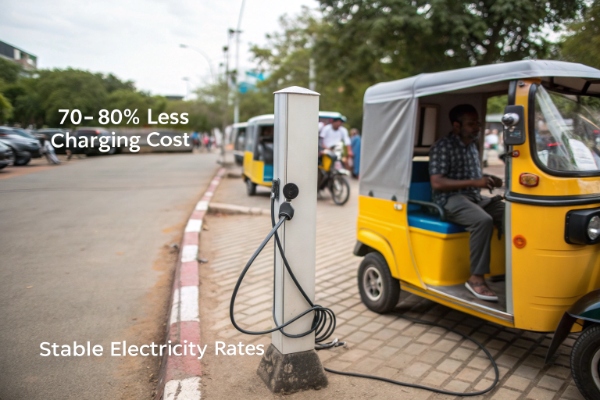
The biggest and most immediate saving comes from "fuel." สำหรับรถตุ๊กตุ๊กน้ำมัน นั่นหมายถึงการเดินทางไปปั๊มน้ำมันทุกวัน สำหรับแบบไฟฟ้า จะเป็นการชาร์จข้ามคืนแบบง่ายๆ ความแตกต่างของต้นทุนมีขนาดใหญ่มาก ฉันเคยร่วมงานกับลูกค้าในฟิลิปปินส์และเคนยาซึ่งพบว่าการใช้จ่ายด้านพลังงานในแต่ละวันลดลงมากกว่าสองในสามหลังจากเปลี่ยนมาใช้ เนื่องจากไฟฟ้าไม่เพียงแต่ถูกต่อกิโลเมตรเท่านั้น แต่ยังมีเสถียรภาพด้านราคาอีกด้วย
มาดูการคำนวณง่ายๆ ตามความเป็นจริงสำหรับยานพาหนะที่วิ่ง 100 กิโลเมตรต่อวันกัน
ต้นทุนพลังงานรายวัน: การเปรียบเทียบโดยตรง
ตัวเลขพูดเพื่อตัวเอง แม้ว่าราคาท้องถิ่นจะต่างกัน แต่รูปแบบก็ยังเหมือนเดิมเสมอ: ไฟฟ้ามีราคาถูกกว่าน้ำมันเบนซินมาก.
| เมตริก | รถตุ๊กตุ๊กไฟฟ้า | รถตุ๊กตุ๊กน้ำมัน |
|---|---|---|
| การใช้พลังงาน | ~10 กิโลวัตต์ชั่วโมงต่อ 100 กม | ~4 ลิตรต่อ 100 กม |
| สมมติราคาพลังงาน | $0.20 per kWh | $1.50 per Liter |
| Daily Cost (100 km) | $2.00 | $6.00 |
| Annual Cost (300 days) | $600 | $1,800 |
This isn't a small difference. For a fleet of just 10 tuk-tuks, that’s a saving of $12,000 every single year, just on fuel. That money goes directly back into your business.
What long-term savings come from reduced maintenance?
Your gasoline tuk-tuks are always in the shop for repairs. This constant downtime means lost revenue for your business and frustrated drivers who can't earn their living.
Electric tuk-tuks have no engine, no oil, no spark plugs, and no exhaust system. Their simple motor has very few moving parts, which dramatically reduces maintenance costs, eliminates regular service needs, and keeps your vehicles on the road making money.
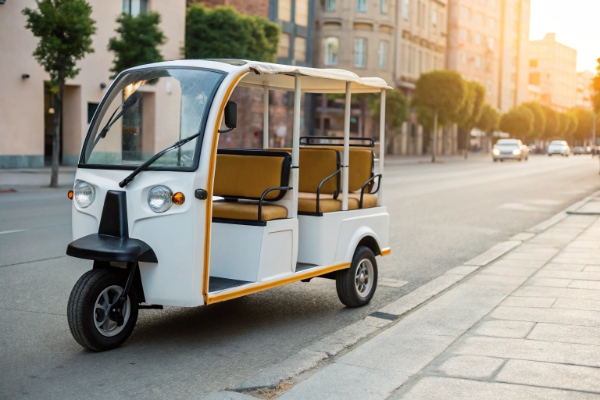
When we design our electric trikes, simplicity is key. A gasoline engine has hundreds of moving parts that need constant lubrication, cleaning, and replacement. An electric motor has basically one major moving part: the rotor. This fundamental difference changes everything when it comes to long-term maintenance. Think about all the service jobs you no longer have to pay for.
From our experience shipping spare parts globally, the demand for electric motor components is tiny compared to the constant orders we get for gasoline engine parts like pistons, filters, and gaskets.
Eliminating Common Maintenance Tasks
The savings come from all the things you don't have to do anymore. Here is a breakdown of the service jobs that simply disappear when you switch to an electric fleet.
| Maintenance Task | Gasoline Tuk-Tuk Frequency | Electric Tuk-Tuk Frequency |
|---|---|---|
| Engine Oil Change | Every 3,000 km | Never |
| Spark Plug Change | Every 10,000 km | Never |
| Filter Replacement | Every 5,000 km | Never |
| Exhaust Repair | As needed | Never |
| Clutch Adjustment | Every 15,000 km | Never |
| Brake Pad Wear | Normal | Reduced (Regenerative Braking) |
The only regular maintenance items on an electric tuk-tuk are tires, brakes, and suspension components—the same as any vehicle. But the entire powertrain, the most complex and expensive part of a gasoline vehicle, becomes almost maintenance-free. This means less downtime, lower labor costs, and fewer spare parts to stock.
How do battery lifespan and replacement cost affect the total cost of ownership?
You worry that the expensive battery in an electric tuk-tuk will fail. The thought of a sudden, thousand-dollar replacement cost is a major concern when you are trying to manage a budget.
A high-quality lithium battery costs around $1,000-$1,300 but is designed to last for over 1,500 charge cycles, or about 3-5 years of daily use. When you spread this cost over its lifespan, it becomes a predictable operational expense, not a sudden financial shock.
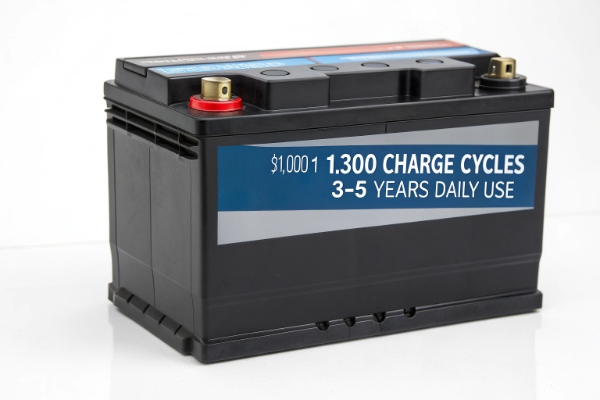
The battery is the single most expensive component of an electric tuk-tuk. I get this question all the time from new importers. They see the initial price tag—a 72V 150Ah battery pack can add over $1,000 to the vehicle cost—and compare it to a cheap gasoline model. But the battery isn't just a component; it's your fuel tank for the next five years.
You are essentially pre-paying for your energy. Let's calculate the value.
Understanding the Battery as an Investment
A good quality Lithium Iron Phosphate (LiFePO4) battery, which we recommend for commercial use, provides a long and predictable service life.
- Lifespan in Cycles: A typical battery is rated for 1,500-2,000 full charge/discharge cycles before its capacity drops to 80%.
- Total Distance: If one charge gives you 150 km of range, the battery's lifetime distance is massive.
150 km/charge × 1,500 cycles = 225,000 km - Cost per Kilometer: Now, let's factor in the replacement cost.
$1,300 (battery cost) ÷ 225,000 km = $0.0057 per km
When you add this tiny battery depreciation cost to the electricity cost, the total is still far, far lower than the cost of gasoline. The battery isn't a liability; it's a long-term asset that locks in your low running costs.
What other factors widen the TCO gap for fleet operators?
You are considering EVs but are unsure about other hidden costs or benefits. You don't want to miss out on local savings or get hit by unexpected fees that ruin your business plan.
Governments worldwide offer incentives like tax credits and import duty exemptions for electric vehicles. At the same time, high local fuel taxes and new low-emission zones in cities can make operating gasoline tuk-tuks more expensive and restrictive, widening the financial gap.
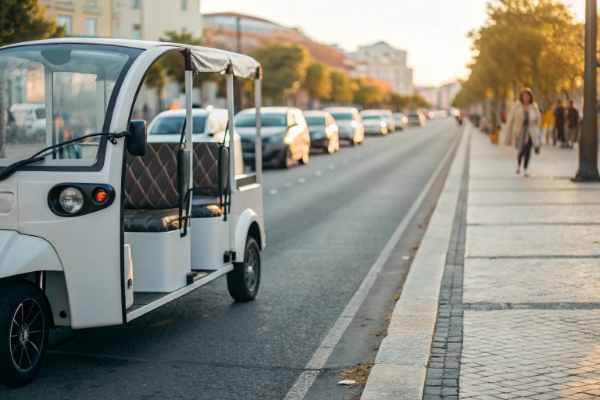
The basic math of fuel and maintenance already favors electric. But in many countries we export to, local conditions make the choice even clearer. These factors are often designed specifically to encourage businesses like yours to switch to cleaner transportation. Before you place an order, I always advise my clients to research the local situation, as it can lead to thousands of dollars in extra savings.
For example, a government client in Algeria was able to secure funding for electric garbage tricycles partly because they aligned with national environmental goals. These opportunities are growing.
Key Local Factors to Investigate
Every market is different, so doing your homework is critical. Here are the three main areas to check that can significantly improve your return on investment.
- Government Incentives: Look for any programs that lower the purchase price of EVs. This can include direct subsidies, waivers on VAT or import taxes, and reduced registration fees. These incentives can sometimes cut the initial cost by 10-20%.
- Local Energy and Fuel Prices: The bigger the difference between electricity rates and gasoline prices in your country, the faster you will see savings. Countries with high fuel taxes but affordable electricity are the best markets for electric tuk-tuks.
- Urban Regulations: Many cities are introducing "Low Emission Zones" or "Clean Air Zones" where older, more polluting vehicles are banned or charged a daily fee. Investing in an electric fleet now is a smart way to future-proof your business against these coming changes.
บทสรุป
The high initial price of an electric tuk-tuk is an investment. This investment pays for itself quickly through massive daily savings on fuel and the near elimination of engine maintenance.
