


You want to maximize every trip's profitability by loading as much cargo as possible. But pushing your electric rickshaw past its limits leads to costly breakdowns and dangerous safety failures.
The biggest mistake is overloading. It causes cascading damage to the motor, controller, and frame, and severely compromises braking and stability. Proper loading and daily maintenance are essential to avoid this, ensuring both safety and the vehicle's longevity.
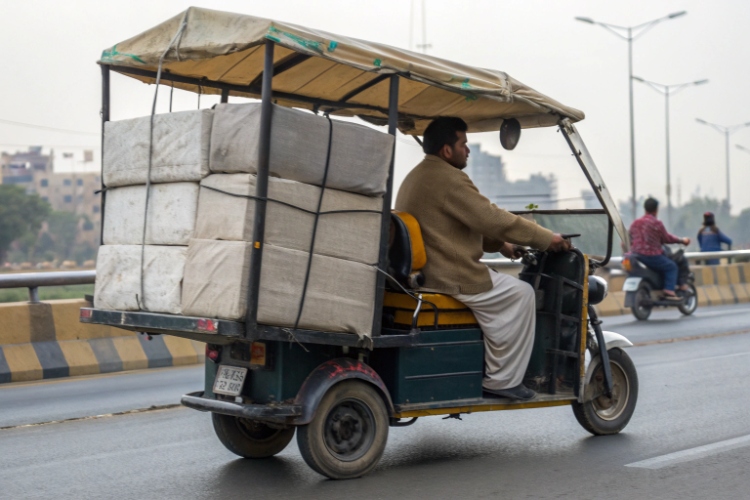
At my factory, we build cargo tricycles to be tough, but even the strongest machine has its limits. The سعة الحمولة we state on the spec sheet isn't just a suggestion; it's a critical engineering limit. I've had clients come back to me with burned-out motors or bent frames, and the cause is almost always the same: consistently carrying more weight than the vehicle was designed for. It might seem like you're making more money per trip, but the repair bills and downtime will quickly erase those profits. Let's break down the most common and costly mistakes I see.
How Can Overloading Damage the Motor, Controller, and Rear Axle of a Cargo Tricycle?
You think a little extra weight won't hurt, and the motor seems to handle it. But you're slowly cooking your vehicle's most expensive parts from the inside out, leading to sudden failure.
Overloading forces the motor to draw excessive current, causing it to overheat and burn out. This electrical strain also damages the controller, while the physical weight puts immense stress on the rear axle bearings, causing them to fail prematurely.
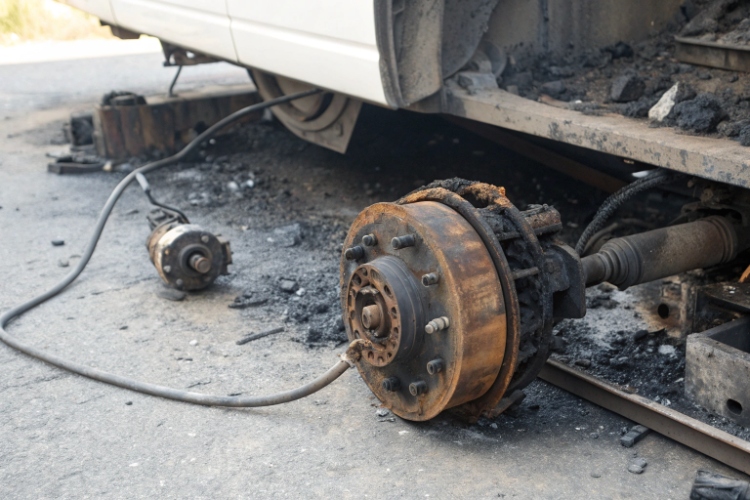
I explain this to my clients as a chain reaction of failure. It all starts with the motor. To move that extra weight, the motor has to work much harder and pull more electricity from the battery. This extra current generates a huge amount of heat. If this happens day after day, the insulation inside the motor windings will literally melt, causing a short circuit. That's when your motor dies.
But it doesn't stop there. The وحدة تحكم is the "brain" that manages power flow from the battery to the motor. When the motor is constantly demanding too much power, the controller is put under immense strain. Its internal components overheat, and eventually, it will fail, leaving your tricycle completely dead. At the same time, all that physical weight is pressing down on the rear axle. The bearings inside the axle are only rated for a specific load. Overloading crushes them, causing them to wear out incredibly fast. I've seen rear axles bend and even snap completely on vehicles that were regularly overloaded. These three parts—motor, controller, and axle—are the heart of your tricycle's powertrain, and overloading is a guaranteed way to destroy them.
Why Is Improper Weight Distribution One of the Biggest Risks for Frame Deformation and Tipping?
You need to load up quickly, so you just pile the cargo in the back. But this creates a dangerously unstable vehicle that's prone to tipping and is slowly bending its own frame.
Incorrect weight distribution, especially piling heavy items high and to the rear, raises the tricycle's center of gravity. This makes it extremely unstable in turns and can lead to tipping. It also creates focused stress points that can deform or crack the frame.
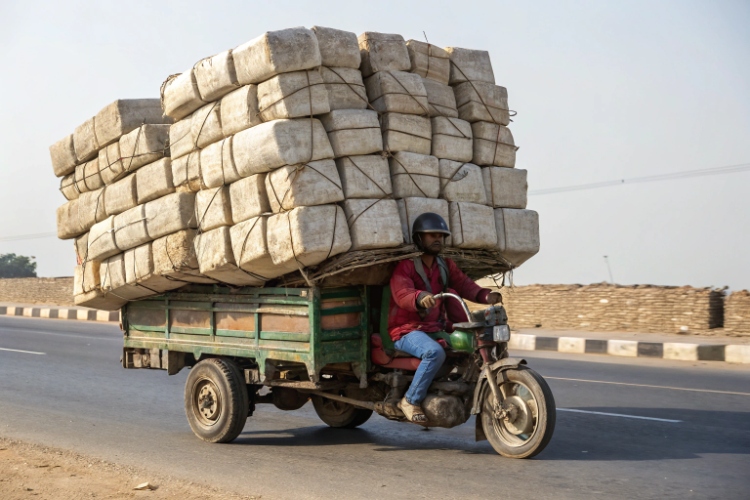
This is a huge safety issue that many operators overlook. Think of your tricycle's cargo bed. The frame is strongest when weight is spread out evenly, with the heaviest items placed low and in the middle, as close to the rear axle as possible. When you pile everything at the very back, you're putting a massive amount of leverage on the rear section of the frame. Over time, this constant stress will cause the metal to fatigue and bend. I've seen frames sag in the middle from this exact mistake.
Even more dangerous is the risk of tipping. A properly loaded tricycle has a low center of gravity, making it stable. When you load heavy cargo high up, you raise that center of gravity. Now, when the driver takes a corner or hits an uneven patch of road, the vehicle becomes top-heavy and wants to roll over. A client from the Philippines told me his drivers had several near-accidents before we diagnosed the problem. They were loading sacks of rice by stacking them high against the back of the cab. We trained them to lay the sacks flat on the cargo bed first, and the tipping problem disappeared. Proper loading isn't just about protecting the vehicle; it's about protecting the driver and the public.
What Daily Checks—Tires, Brakes, Battery—Help Prevent Breakdowns During Heavy-Duty Use?
Your drivers are busy, and skipping a quick pre-trip inspection seems harmless. But that five-minute check is the difference between a profitable day and a vehicle stranded on the side of the road.
For heavy-duty use, a non-negotiable daily checklist must include checking tire pressure, testing brake responsiveness, and verifying battery charge. These three simple checks can prevent the most common and costly breakdowns.
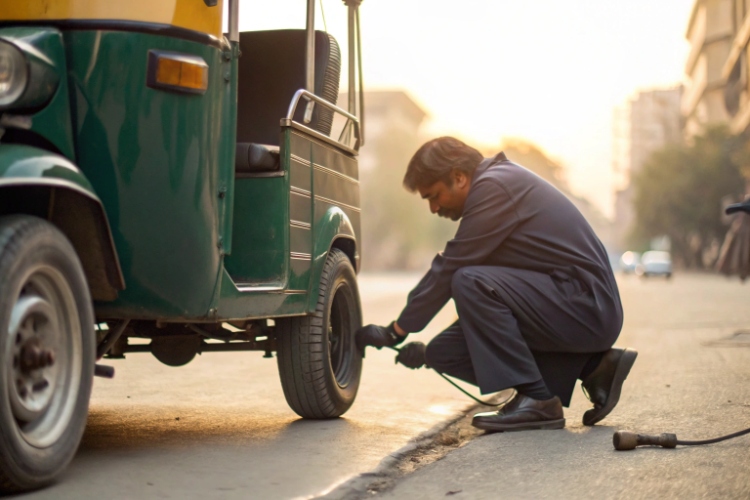
If you are using a vehicle for heavy loading, you have to treat it like a professional piece of machinery. That means daily inspections. From my experience with large fleet customers, the most successful ones are the most disciplined about this. Here are the three absolute must-do checks:
-
Tire Pressure: This is the most critical. An underinflated tire under a heavy load is a recipe for a blowout. The sidewall flexes too much, overheats, and fails. Visually inspect the tires for cuts and use a simple gauge to make sure they are at the recommended PSI. It takes 60 seconds.
-
الفرامل: A heavy load drastically increases the distance it takes to stop. The brakes must be in perfect condition. Before starting the day, the driver should roll the tricycle forward a few feet and test the brakes. Do the levers feel firm, or do they feel spongy and weak? A spongy brake means there could be air in the lines or the pads are worn out. This is a life-or-death check.
-
Battery Charge: Heavy loads drain the battery much faster than light loads. The driver must start the day by checking the battery display to ensure there is enough range for the planned work. Getting stranded with a heavy load and a dead battery is a logistical nightmare.
This isn't complicated. It's a simple habit that builds a culture of reliability and safety.
How Can Fleet Owners Train Drivers to Handle Heavy Loads Safely and Extend Vehicle Lifespan?
You hand the keys to a new driver and hope for the best. But their ingrained bad habits are secretly destroying your expensive assets and creating massive safety risks for your business.
Fleet owners must implement a formal training program. This should cover the vehicle's load limits, correct weight distribution techniques, and defensive driving skills like braking early and taking corners slowly. Enforce this with mandatory daily checklists.

You cannot assume a driver knows how to operate a heavy cargo tricycle safely just because they know how to drive. It's a different skill set. Protecting your investment starts with educating the person behind the handlebars. When I consult with new fleet owners, I recommend they create a simple but mandatory training program.
First, show them the vehicle's capacity plate and explain what that number means in real-world terms (e.g., "no more than 20 sacks of cement"). Explain why—that overloading burns the motor and breaks the axle. Second, physically show them how to load the cargo bed: heavy and dense items on the bottom, centered over the axle, with lighter items on top. Third, take them out on the road. Teach them that a heavy vehicle cannot stop or turn like an empty one. They must increase their following distance, brake much earlier and more gently, and slow down significantly for corners. Finally, give them a laminated daily checklist and make it part of their job to turn it in. A client in Nigeria who implemented this simple training and checklist system told me his fleet's maintenance costs dropped by over 30% in six months. Training isn't an expense; it's the best investment you can make in your fleet's longevity.
خاتمة
To maximize the life and safety of your heavy-duty e-rickshaw, strictly avoid overloading, ensure proper weight distribution, perform daily checks, and thoroughly train your drivers on safe handling techniques.
